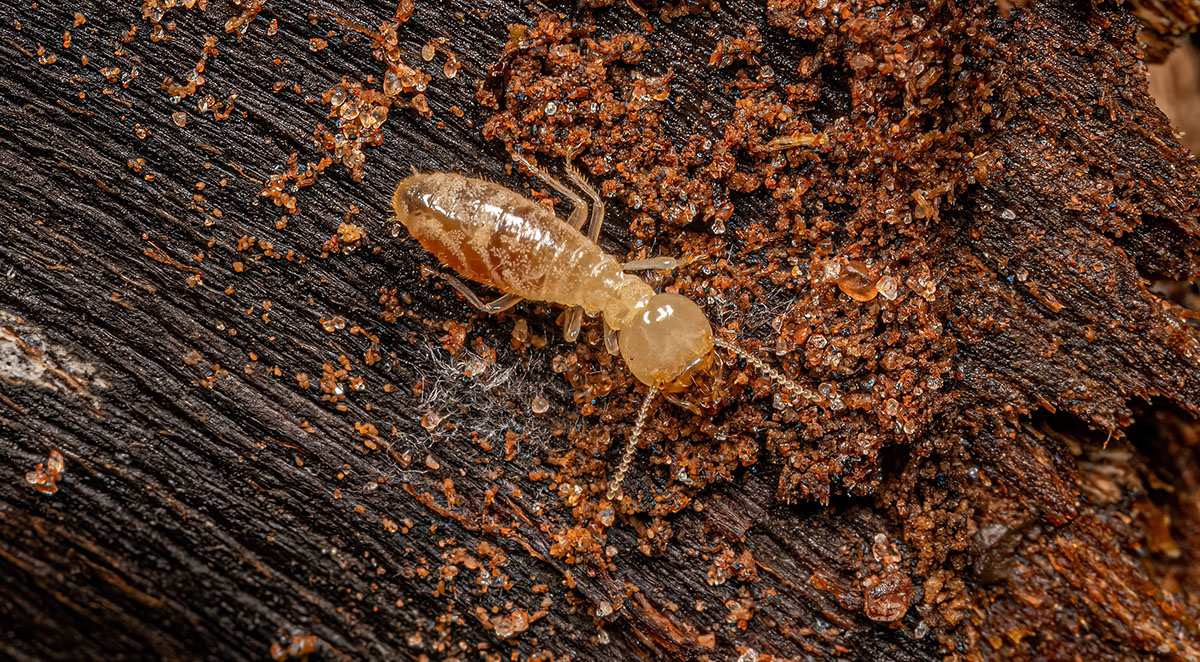
Termite damage often goes unseen until repairs become expensive. A single colony can contain thousands of insects working around the clock inside the wood of a home. Regular inspection and professional treatment are the most reliable ways to protect your property's structural integrity.
Source Pest Control is a locally owned company that has protected homes and businesses in Riverside County and North San Diego County since 2011. We provide inspections, treatment, and WDO inspections for properties throughout the 92570 and 92571 ZIP codes and in the city of Perris.
Why Protection Is a Year-Round Priority
Southern California's climate allows termites to stay active in every season. Spring brings swarms after rain and warm weather, and fall brings the peak of drywood termite swarming in September and October. Because there is no true off-season, inspections and preventative treatments protect your home all year.
Homeowner's insurance typically does not cover termite damage, so repair costs usually fall on the property owner. Early detection keeps treatment focused and helps you avoid structural repairs that can run into thousands of dollars.
Termites Found in Our Region
Properties in our service area face threats from more than one species. Knowing the difference helps you recognize warning signs.
Subterranean termites live in the ground and build distinctive mud tubes to travel between their colony and the wood they are consuming. The tubes also protect them from dry air. Subterranean termites cause the most structural damage in the United States.
Drywood termites do not need soil contact. They establish colonies directly in the wooden components of a home and are especially common in older homes across Southern California.
Our Control Process
Every termite treatment plan we build follows three stages. Each stage is designed to find the problem, treat it effectively, and keep it from returning.
1. Meticulous inspection: Our licensed technicians identify the species present, locate colonies and activity areas, assess existing damage, and look for moisture problems and other conducive conditions. You receive a detailed inspection report.
2. Customized treatment strategy: We match the treatment method to the species, the location of activity, and the extent of the infestation.
3. Long-term protection: We provide regular monitoring for new activity, preventative maintenance, and recommendations for reducing attractants.
Choosing the Right Treatment
Termite treatment varies from property to property. After the inspection, we explain which options fit your situation and why.
Localized and Wood Treatments
Localized spot treatments address isolated areas of activity. Wood treatments protect vulnerable structural elements.
Baiting Systems
Advanced baiting systems are designed to eliminate entire colonies. Bait systems require ongoing monitoring and maintenance, and our maintenance programs provide that continuous oversight along with early detection of new activity.
Soil and Preventative Treatments
Comprehensive soil treatments create protective barriers around a structure, and preventative applications protect at-risk buildings. Liquid treatments typically provide protection for 5-10 years, depending on environmental factors and the property.
How Termites Get Into Homes
Termites need only a very small opening to reach the wood in your home. Common access points include:
- Foundation cracks as small as 1/32 of an inch
- Wood-to-soil contact around the structure
- Utility penetrations
- Mud tubes built to bridge gaps
- Infested furniture or firewood brought into the home
A professional inspection identifies these vulnerable access points so they can be treated or corrected.
Termites and Newer Homes
Newer homes may use some termite-resistant materials and construction methods, but they are not immune to infestations. Without ongoing protection, even new construction can become vulnerable within a few years. We recommend regular inspections for newer properties as well as older ones.
WDO Inspections for Buyers and Sellers
Real estate transactions often require a Wood Destroying Organism (WDO) inspection, particularly for FHA and VA loans. Our WDO inspection reports document active infestations, previous activity, conducive conditions, and existing damage, along with clear recommendations for any necessary treatment. We also inspect for wood-boring beetles, carpenter ants, and wood decay fungi.
We work with real estate professionals to meet transaction timelines, with inspections typically scheduled within 1-3 business days. Learn more on our realtor services page.
Why Homeowners Choose Source Pest Control
When you hire an exterminator, experience and accountability count. Here is what sets our team apart:
- Locally owned and operated since 2011
- Licensed technicians experienced in termite identification and control
- Industry-leading products and proven techniques
- Residential and commercial services
- Warranty options based on the treatment performed
- A 4.9/5 star rating from over 700 Google reviews
For a closer look at our methods, visit our termite control service page.
Frequently Asked Questions
How do termites get into homes?
Termites enter through foundation cracks as small as 1/32 of an inch, through wood-to-soil contact, around utility penetrations, and through mud tubes they construct to bridge gaps. They can also arrive in infested furniture or firewood.
Should I be concerned about termites if I have a newer home?
Yes. Newer homes are not immune to termite infestations. Without ongoing protection, new construction can become vulnerable within a few years, so we recommend regular inspections.
What is the difference between a WDO and a WDI inspection?
A WDO (Wood Destroying Organism) inspection covers all organisms that can damage wood, including insects and fungi. A WDI (Wood Destroying Insect) inspection focuses on insects such as termites, carpenter ants, and wood-boring beetles. Our inspections cover all wood destroying organisms.
How long does treatment last?
Liquid treatments typically provide protection for 5-10 years. Bait systems require ongoing monitoring and maintenance. We offer maintenance programs to ensure continuous protection and early detection of new activity.
Can a property pass inspection with previous damage noted?
Yes. Our reports distinguish between active infestations requiring treatment and evidence of previous, inactive infestations. Previous damage that does not affect structural integrity often does not require action, though repair recommendations may be noted.
Schedule Your Termite Inspection
Termites do not take a season off in Southern California, and early detection is the best way to keep damage and repair costs down. Our team provides thorough inspections, customized treatment plans, and long-term monitoring to protect your investment. Visit our service area overview to see all the communities we serve.
Contact us today to schedule an inspection in Perris and get a free estimate.