Blog
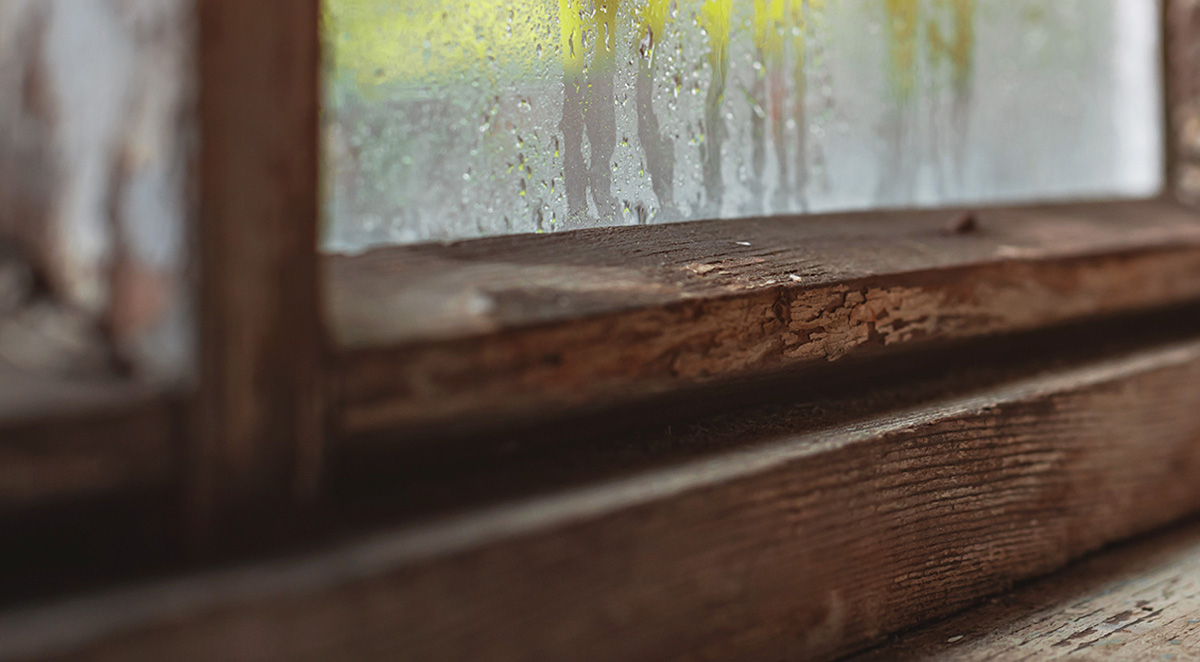
Most homeowners never actually see the termites damaging their property. What they see is a door that suddenly sticks in its frame, paint that bubbles on a windowsill for no obvious reason, or a baseboard that gives way when a vacuum bumps into it. By the time the clues appear, a colony may have been feeding quietly inside the structure for months or longer.
Our climate supports termite activity all year, and termite damage is typically not covered by homeowner's insurance, which means repair costs land squarely on the property owner. Learning the signs of termite damage is one of the most practical steps you can take to protect your home.
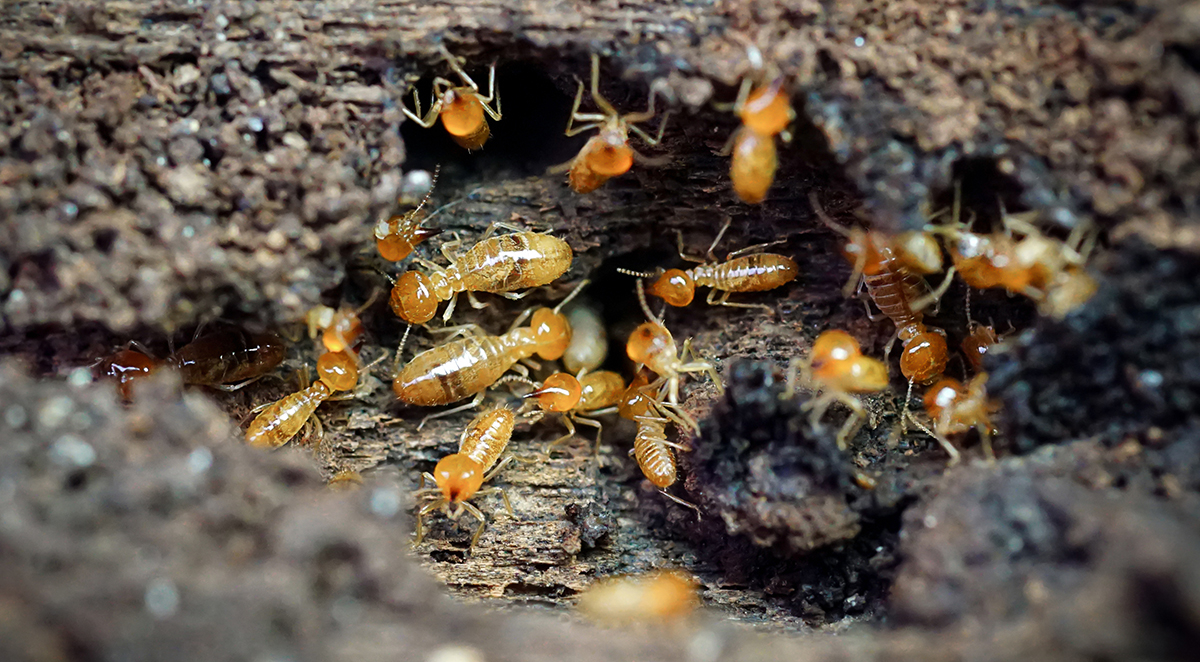
Drywood termite season in California peaks just as the rest of us settle into cooler evenings. Source Pest Control has served Riverside County and North San Diego County since 2011, and fall is one of our busiest stretches for termite calls. Knowing what a drywood termite swarm looks like, and how fast to act, can be the difference between a localized treatment and major structural repair.
Search for pest control pricing and you will find monthly figures pulled from other markets, promotional discounts with fine print, and cost tables that ignore whether your home is a 1,200 square foot condo or a rural property with outbuildings. None of that tells you what your house will actually require.
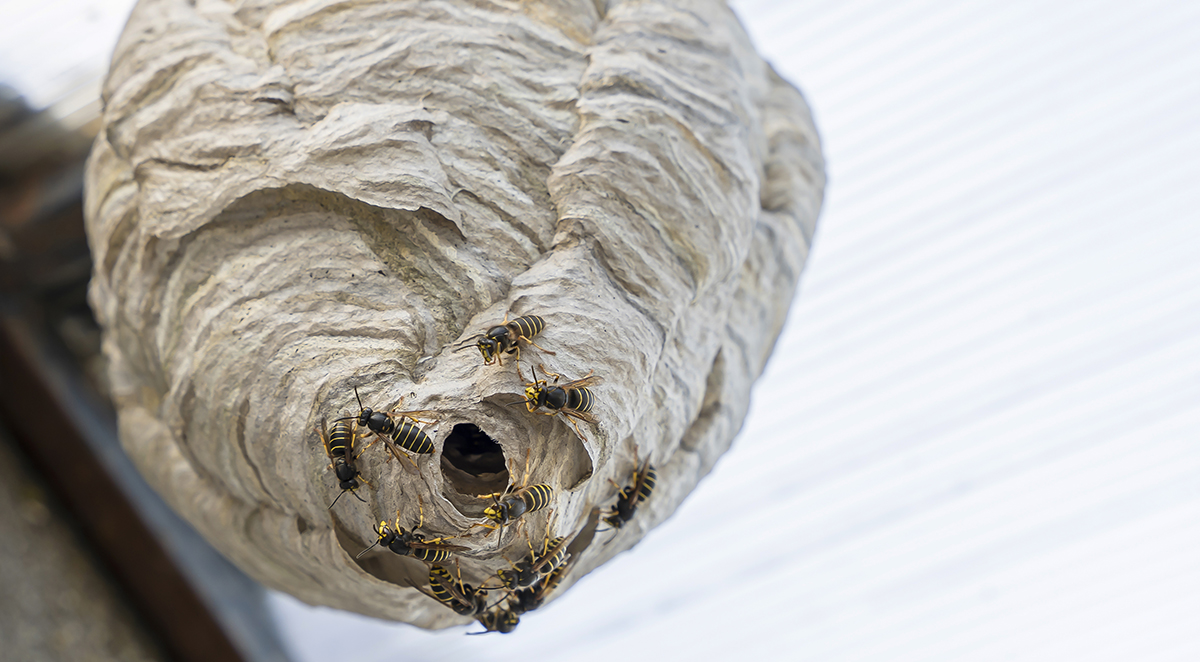
Suddenly discovering a papery gray nest tucked under an eave, or a stream of yellowjackets pouring out of a hole in the lawn can ruin a calm, late summer afternoon hanging out in the yard. By the time most homeowners notice a nest, the colony has been quietly building all season and has reached its largest and most defensive stage of the year.