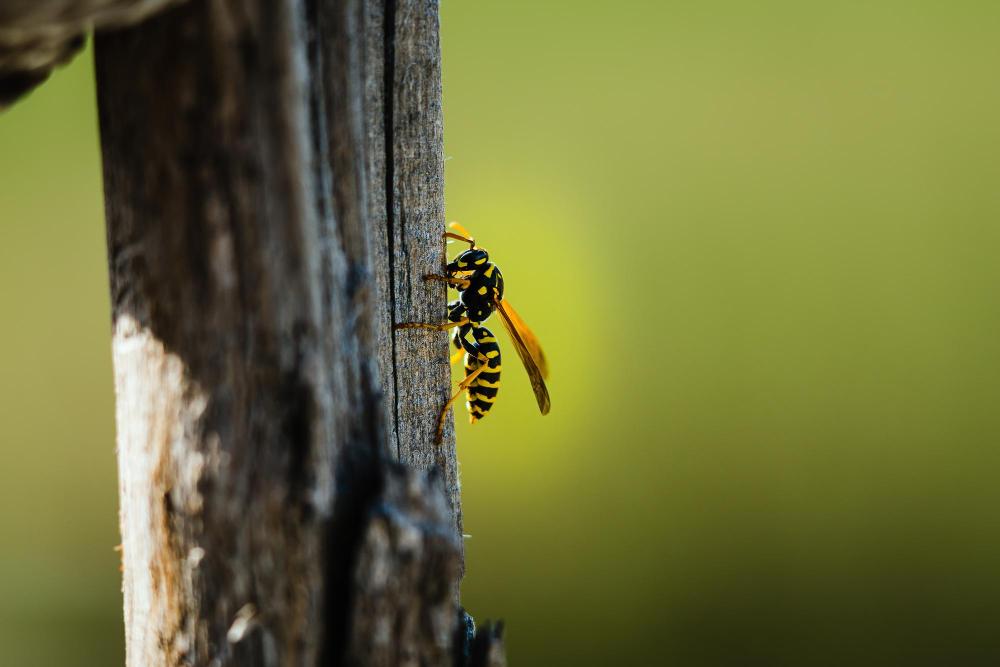
 A wasp nest on or near your home is more than an inconvenience: it's a safety concern for your family, your pets, and anyone who visits your property. If you've discovered wasps nesting under your eaves, in your yard, or anywhere around your living spaces, don't attempt to remove them yourself. Source Pest Control provides fast, professional wasp and stinging insect removal throughout Riverside County and North San Diego County, and we can typically respond within 24 hours to address the problem safely.
Safe, Professional Wasp and Stinging Insect Removal
We serve homeowners in Temecula, Murrieta, Menifee, Fallbrook, Lake Elsinore, Wildomar, Winchester, and surrounding communities. Since 2011, our licensed technicians have been safely removing wasp nests and managing stinging insect problems across the region, keeping families safe while balancing the ecological role these insects play in our environment.
Stinging Insect Concerns for Your Family
Wasps and other stinging insects become a serious concern when they build nests in close proximity to where your family lives, plays, and gathers. A single wasp sting is painful for anyone, but for individuals with allergies to insect venom (and many people don't know they're allergic until they're stung), a sting can trigger a severe allergic reaction that requires emergency medical attention.
Why wasp nests near your home require professional attention:
- Social wasps like yellowjackets and paper wasps aggressively defend their nests
- Unlike honeybees, wasps can sting multiple times
- Disturbed wasps release alarm pheromones that recruit other colony members to join the attack
- Accidental encounters (mowing, trimming hedges, or walking too close) can provoke dozens or hundreds of wasps simultaneously
- Colonies grow throughout summer, and a small spring nest can house thousands of wasps by late summer
The safest approach is always to call a professional who has the training, equipment, and products to handle the removal without putting anyone at risk.
Common Stinging Insects in Southern California
Understanding which stinging insects you're dealing with helps determine the safest and most effective removal approach. Our region is home to several species, each with distinct nesting habits and behavior patterns.
Paper Wasps
Paper wasps are among the most commonly encountered stinging insects around Southern California homes. They build open, umbrella-shaped nests with visible hexagonal cells, typically attaching them to protected horizontal surfaces like the undersides of eaves, porch ceilings, deck railings, and playground equipment. Their nests start small in spring but can grow to the size of a dinner plate by late summer. Paper wasps are generally less aggressive than yellowjackets when undisturbed, but they will readily defend their nest if they perceive a threat.
Yellowjackets
Yellowjackets are the most aggressive stinging insects homeowners are likely to encounter. They build enclosed paper nests, often in concealed locations that make them easy to stumble upon accidentally. Underground nests in abandoned rodent burrows are extremely common, as are nests inside wall voids, attic spaces, and dense shrubbery. They're also strongly attracted to human food and sweet beverages, making them a persistent problem at outdoor gatherings. In late summer, colony sizes can reach several thousand workers.
Mud Daubers
Mud daubers are solitary wasps that build distinctive tube-shaped nests from mud, typically on exterior walls, under eaves, in garages, and beneath deck structures. Unlike social wasps, mud daubers are not aggressive and rarely sting. However, their nests can stain and damage surfaces, and abandoned mud dauber nests are sometimes taken over by more aggressive wasp species.
Bees
Southern California is home to both honeybees and carpenter bees, and Source Pest Control takes an ecologically responsible approach to managing both. Honeybees are vital pollinators, and we always recommend live removal and relocation by a beekeeper when it's safe and feasible. When a colony has established itself in a wall void or structural location where live removal isn't practical, professional management may be necessary. Carpenter bees, which bore into wood to create nesting galleries, can cause damage to decks, eaves, and wood trim over time. For more information, visit our wasps and bees services page.
Our Professional Wasp Removal Process
Thorough Inspection
Safe wasp removal begins with a careful assessment. Our technicians identify the species involved, locate all active nests on your property, determine the size of the colony, and assess the safest approach for removal. We also inspect for conditions attracting wasps to your property: food sources, water features, structural gaps that invite nesting, and landscaping that provides ideal harborage.
Safe Removal and Treatment
Using appropriate protective equipment and professional-grade products, our technicians safely eliminate the active colony and remove the nest. The specific approach varies based on the species, nest location, and colony size. Ground nests require different treatment than aerial nests, and nests inside wall voids call for a different strategy than exposed nests under eaves.
Our removal process includes:
- Elimination of the active colony using professional-grade products and methods
- Removal of the nest structure when accessible (abandoned nests can attract new colonies)
- Sealing of entry points that allowed wasps to establish nests in protected locations like attics and wall cavities
- Assessment of conditions that contributed to nesting activity
Prevention and Follow-Up
Once the immediate threat is resolved, we help you take steps to reduce future wasp nesting on your property. This includes recommendations for sealing potential nesting sites, modifying conditions that attract wasps, and scheduling proactive treatments during early spring when queens are establishing new colonies.
Our residential pest control services include monitoring for new wasp activity during regular service visits, catching new nests while they're small and easily managed rather than waiting until they become a safety hazard.
Why Choose Source Pest Control for Wasp Removal
Wasp removal is inherently dangerous, and it's one of the pest control services where professional expertise matters most.
What sets Source Pest Control apart:
- 14+ years of experience: Safely managing stinging insect problems since 2011
- Outstanding reputation: 5-star Google rating from 1,000+ reviews
- Licensed and equipped: All technicians are licensed by the California Structural Pest Control Board and carry full protective equipment
- Fast response: We understand wasp nests can't wait, and we work to schedule removal quickly, often within 24 hours
- Ecologically responsible: We balance family safety with respect for the ecosystem, recommending live bee relocation when feasible
Learn more about our team and our commitment to professional service.
Frequently Asked Questions About Wasp Removal
Is it safe to remove a wasp nest myself?
We strongly advise against DIY wasp nest removal. Social wasps like yellowjackets and paper wasps aggressively defend their nests, and disturbing a colony without proper protective equipment and products can result in multiple stings, which can be life-threatening for individuals with venom allergies. Even seemingly small nests can house more wasps than are visible, and ground nests are especially dangerous because their full size is hidden underground. Professional removal is the safest option.
How quickly can you respond to a wasp emergency?
We understand the urgency of stinging insect problems, especially when nests are located near doorways, play areas, or high-traffic zones. We work to schedule wasp removal as quickly as possible, often within 24 hours of your call. For situations involving immediate safety risks, let us know when you contact us so we can prioritize accordingly.
What happens to the wasps after the nest is removed?
Our treatment eliminates the active colony, and we remove the nest structure when accessible. Wasps that were away from the nest during treatment may return to the area temporarily but will typically disperse within a day or two once they find the nest is gone. Without a nest to return to, these remaining individuals do not rebuild in the same location.
How can I prevent wasps from nesting on my property?
Proactive measures can reduce wasp nesting activity, though they can't eliminate it entirely. Seal gaps and openings in eaves, soffits, and wall exteriors. Keep outdoor trash cans sealed. Conduct spring inspections of your property to catch new nests while they're small: early-season nests typically have only the founding queen and a handful of workers, making them much simpler to address. Regular pest control service includes monitoring for new wasp activity as part of each visit.
Do you remove bee hives as well?
We manage both wasp and bee situations, though our approach to bees prioritizes live removal and relocation whenever it's safe and feasible. Honeybees are important pollinators, and we work to preserve colonies when possible. When a colony's location makes live removal impractical or creates a safety risk, we can provide professional management. Carpenter bees, which damage wood structures, are handled as part of our pest management services.
Don't Risk a Sting: Let the Professionals Handle It
When wasps are nesting on or near your home, professional removal is the safest path forward for your family. Contact Source Pest Control today to schedule an assessment or request emergency wasp removal. We'll respond quickly, handle the situation safely, and help you prevent future nesting problems.
Call us at (951) 401-1318 or request a free estimate online. We serve Temecula, Murrieta, Menifee, Fallbrook, Lake Elsinore, Wildomar, Winchester, and communities throughout Riverside County and North San Diego County.
Hours: Monday–Friday 7:30 AM – 6:00 PM | Saturday 9:00 AM – 4:00 PM