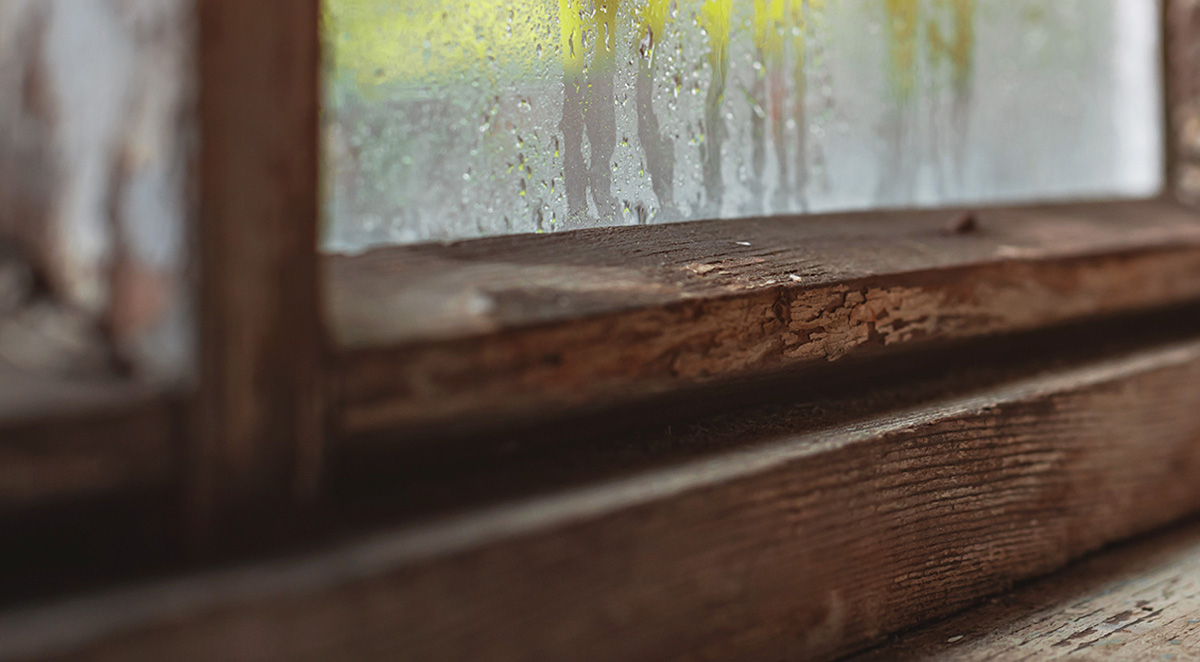
Most homeowners never actually see the termites damaging their property. What they see is a door that suddenly sticks in its frame, paint that bubbles on a windowsill for no obvious reason, or a baseboard that gives way when a vacuum bumps into it. By the time the clues appear, a colony may have been feeding quietly inside the structure for months or longer.
Our climate supports termite activity all year, and termite damage is typically not covered by homeowner's insurance, which means repair costs land squarely on the property owner. Learning the signs of termite damage is one of the most practical steps you can take to protect your home.
Quick Summary
- Termites are called silent destroyers because they chew through wood, flooring, and even wallpaper undetected for years.
- Local homes face two main threats: subterranean termites, which build mud tubes from the soil, and drywood termites, which infest wood directly and peak in fall.
- Common termite damage signs include mud tubes, frass (termite droppings), discarded wings, hollow-sounding wood, bubbling paint, and doors or windows that suddenly stick.
- Termite damage vs water damage can look similar on the surface, but the pattern inside the wood tells the story.
- Termites enter through foundation cracks as small as 1/32 of an inch, so inspection matters even for newer homes.
- If you suspect activity, avoid disturbing it and contact Source Pest Control for an inspection.
Why Termite Pressure Stays High in Our Region
Southern California gives termites almost everything they need. Mild winters remove the seasonal die-off that slows colonies in colder climates, irrigation keeps soil moisture available near foundations, and wood-frame construction supplies an abundant food source. Properties here often face pressure from more than one species at once, so checking for a single type of evidence is rarely enough.
A few realities shape the risk locally:
- Our climate supports year-round termite activity rather than a short seasonal window.
- Properties throughout Riverside County and North San Diego County face multiple termite species.
- Even new construction is vulnerable without preventative measures.
- Termite damage is typically excluded from homeowner's insurance policies.
- Repair costs can run into thousands of dollars.
The Two Termite Species Most Local Homes Face
Knowing which termite you are dealing with changes both the evidence you look for and the treatment that follows, so our technicians identify the species during inspection.
Subterranean Termites
These ground-dwelling termites live in the soil and travel to their food through protective tunnels. Mud tubes termites build are their signature: pencil-width tubes of soil that shield them from dry air as they move between the colony and the wood they are consuming. Subterranean termites cause the most structural damage of any termite group in the United States and are prevalent throughout our service area.
Drywood Termites
Drywood termites need no soil contact. They establish colonies directly inside the wooden components of a home, so attic framing, window frames, door casings, eaves, and even furniture are all fair game. They are common in Southern California, particularly in older homes, and their activity peaks in fall. Because they live entirely within the wood, they usually leave frass rather than mud tubes.
Read our guide, “Is it worth it hiring a pest control company?”.
Signs of Termite Damage Every Homeowner Should Know
If you are wondering how to tell if you have termites, start with the seven clues below. Any one of them justifies a professional look. Two or more in the same area of the house usually means an active problem.
- Mud tubes along foundations, crawl spaces, and basement walls. These narrow soil tunnels are the clearest sign of subterranean activity, and tubes that look fresh and moist point to a working colony.
- Termite droppings, also called frass. Drywood termites push waste out of small kick-out holes, leaving pellets that resemble coarse sawdust on windowsills, along baseboards, or on the garage floor.
- Discarded wings near windowsills and doors. Matching pairs of translucent wings on a sill or in a light fixture mean reproductive termites swarmed from a colony inside or very close to the structure.
- Hollow-sounding wood when tapped. Wood damage termites cause works from the inside out, so a trim board or door jamb can look intact while sounding papery under a knuckle test.
- Bubbling or uneven paint on wood surfaces. Moisture and galleries just beneath the surface lift paint away from the wood, creating blisters or a rippled texture.
- Doors and windows that suddenly stick. Moisture introduced by termite activity swells wood and throws frames out of square, which is why a door that closed fine last year now binds.
- Maze-like patterns in wooden structures. When damaged wood breaks apart, the interior often reveals winding galleries carved along the grain.
A Room by Room Walkthrough You Can Do This Weekend
You do not need specialized tools for a useful first pass. Bring a flashlight, a screwdriver for gentle probing, and your phone for photos, then work the perimeter before moving inside. Pay attention anywhere wood meets soil, water, or concrete.
- Foundation and exterior perimeter: mud tubes, wood-to-soil contact, damp siding near sprinkler heads, gaps around utility penetrations.
- Crawl space and subarea: floor joists, sill plates, and piers showing tubes, staining, or soft spots.
- Garage: the bottom of door frames, wall studs behind stored boxes, and exposed framing.
- Attic and eaves: drywood activity often shows here first as pellets on insulation or small holes in rafters.
- Windows and doors: sills holding wings or frass, and frames that stick or feel soft.
- Kitchens and bathrooms: plumbing moisture plus hidden wood makes these rooms prime territory.
Photograph and date anything you find. That record helps our technicians judge whether activity is progressing and gives you documentation if the property later goes on the market.
Read our blog on DIY vs. Hiring a Professional.
What to Do When You Find Signs of Activity
Discovering evidence is unsettling, but what you do next matters more than the discovery itself.
- Leave the evidence alone. Intact mud tubes and frass help a technician identify the species and locate the colony.
- Skip the retail sprays. Over-the-counter products can scatter a colony into new areas and mask the true extent of the problem.
- Document what you found. Photos, locations, and dates give the inspection a head start.
- Reduce conducive conditions safely. Fix obvious leaks, redirect sprinklers away from siding, and move firewood off the foundation.
- Schedule a professional inspection. Early detection keeps a localized issue from becoming a structural repair.
How Source Pest Control Approaches Termites
Every plan starts with a meticulous inspection: identifying the species present, locating colonies and activity areas, assessing existing damage, and documenting conducive conditions in a detailed report.
From there our licensed technicians build a strategy around what the property needs, which can include localized spot treatments, baiting systems designed to eliminate entire colonies, soil treatments that create protective barriers, wood treatments for vulnerable structural elements, and preventative applications for at-risk structures. Protection continues through monitoring and preventative maintenance, with warranty options based on the treatment performed and your property's characteristics.
We also provide Wood Destroying Organism inspections and reports for real estate transactions, documenting active infestations, previous activity, conducive conditions, and recommended repairs. If you are buying or selling, our resources for real estate professionals explain how those reports fit a transaction timeline. Termite work also pairs well with our residential pest control programs, since quarterly visits give our team regular chances to spot new evidence early. Review the full scope of our termite control services or check our service area.
Frequently Asked Questions
How can I tell if I have termites without opening a wall?
Focus on the evidence termites leave on accessible surfaces: mud tubes on foundation walls, discarded wings near windows and doors, hollow-sounding wood, bubbling paint, and frass resembling small pellets or sawdust. A professional inspection then confirms whether activity is current and how far it extends.
How do termites get into a home in the first place?
Termites enter through foundation cracks as small as 1/32 of an inch, through wood-to-soil contact, around utility penetrations, and through mud tubes they build to bridge gaps. They can also arrive inside infested furniture or firewood. An inspection identifies these access points so they can be addressed.
Should I worry about termites if my house is new?
Yes. Newer homes may include some termite-resistant materials and construction methods, but they are not immune. Without ongoing protection, even new construction can become vulnerable within a few years, so regular inspections are worthwhile regardless of build date.
How long does termite treatment last?
Longevity depends on the method used, environmental factors, and your property's situation. Liquid treatments typically provide protection for five to ten years, while bait systems require ongoing monitoring and maintenance. Maintenance programs keep protection continuous and catch new activity early.
When should I get a termite inspection if I am selling my home?
Earlier is better. A Wood Destroying Organism report is frequently required during a sale, and finding an issue during escrow compresses your options. Inspecting before listing gives you time to complete recommended treatment or repairs on your own schedule.
Protect Your Home Before the Damage Adds Up
Termites do their most expensive work while nobody is looking. The homeowner who notices a sticking door or a small pile of pellets and follows up promptly almost always faces a smaller repair than the one who waits another season. If anything here sounds familiar, a professional set of eyes is the fastest way to know what you are facing.
Source Pest Control offers free inspections and estimates across Temecula, Murrieta, Menifee, Lake Elsinore, Fallbrook, Wildomar, Corona, Escondido, Oceanside, San Marcos, and surrounding communities. Call (951) 401-1318 or reach out through our contact page to schedule your inspection, and learn more about our team.