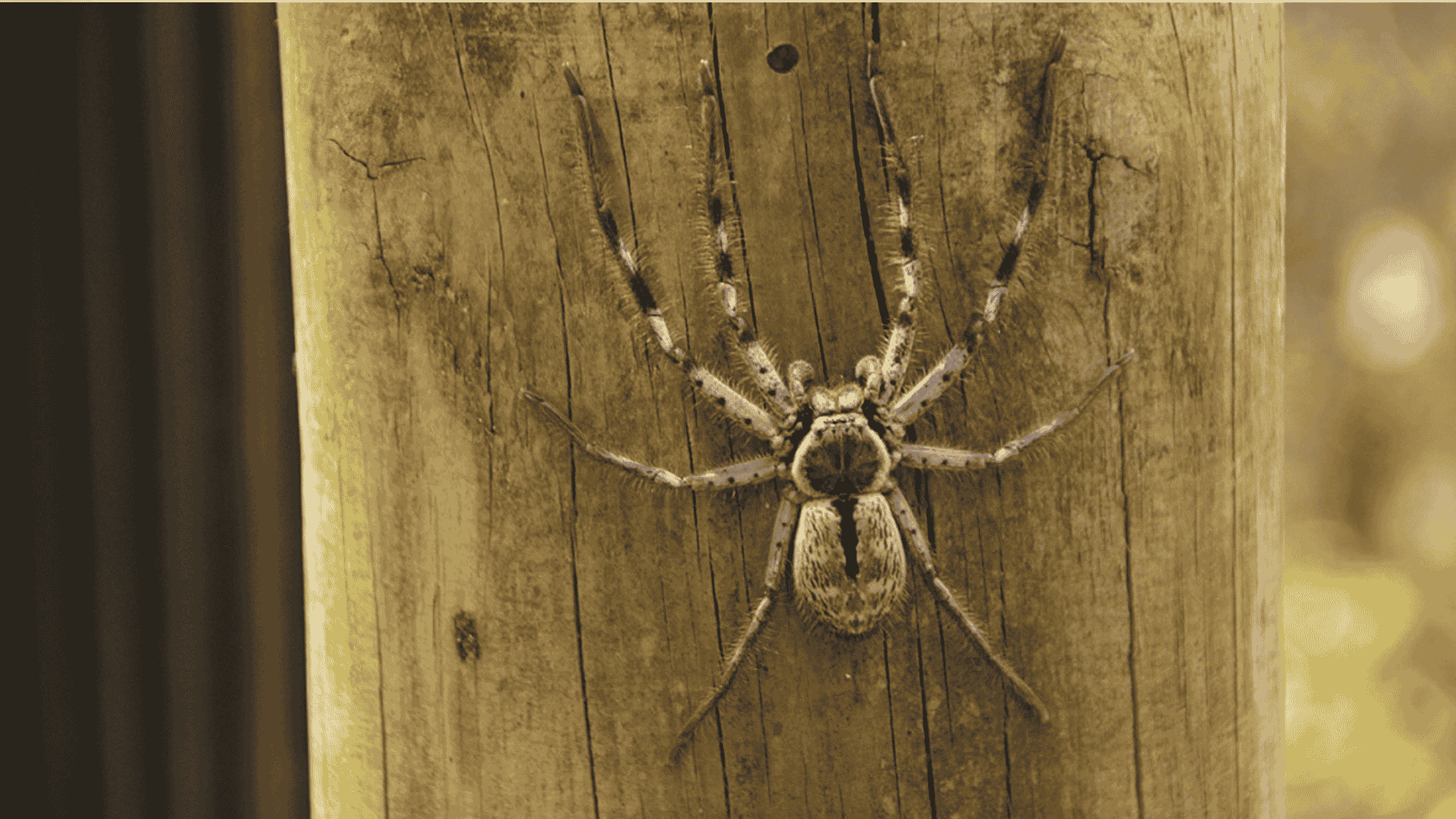
The warmth of spring brings surging insect populations, and spiders become significantly more active. For communities throughout the area, including Menifee, spring spider emergence is a predictable and recurring challenge. Understanding which spiders you are dealing with, which ones pose real health risks, can help you protect your household before a minor nuisance becomes a genuine concern. Source Pest Control is here to help if you need advice or extermination services.
Why Spring Triggers Increased Spider Activity
Spiders respond to the same environmental cues that drive most pest activity in Southern California's climate. As winter temperatures ease, insect populations begin to rebound. More insects mean more food, and more food means more spiders actively hunting, establishing webs, and in many cases, producing egg sacs that will hatch into large numbers of spiderlings over the coming weeks.
Spring rains also contribute. Moist soil creates ideal conditions for ground-dwelling spiders, and newly irrigated landscaping provides damp harborage areas close to residential structures.
Dangerous Spiders Riverside County Residents Need to Know
Most spiders encountered in and around Riverside County homes are harmless. They are actually beneficial to have in garden areas because they prey on pest insects. However, two species present in our region carry venom that can cause serious medical symptoms and require a level of awareness that goes well beyond the average garden spider.
Black Widow Spider California
The black widow (Latrodectus hesperus) is the most recognized dangerous spider in California and one of the most commonly found in Riverside County properties. Understanding black widow spider California identification is important for every local homeowner.
Key identification features:
- Shiny, jet-black body roughly the size of a large grape
- A distinctive red hourglass marking on the underside of the abdomen
- Legs that are smooth and glossy with no visible hair
- Irregular, tangled-looking webs built low to the ground or in sheltered areas
- Web silk is noticeably strong and sticky compared to other spider webs
Black widows are not aggressive and will not pursue humans, but they will bite defensively when disturbed. Their venom is a neurotoxin that can cause symptoms including significant pain at the bite site, muscle cramps, nausea, sweating, and in vulnerable individuals, more serious systemic effects.
Brown Widow Spider
The brown widow (Latrodectus geometricus) has become increasingly common throughout Southern California over the past two decades and is now a regular presence in Riverside County yards and structures. Many residents are less familiar with this species than with the black widow, but it deserves equal attention.
Key identification features:
- Mottled brown and tan body with varied dark markings
- An orange or yellow hourglass marking on the underside of the abdomen (lighter in color than a black widow's red marking)
- Spiky, tan-colored egg sacs with a distinctive spiked surface (unlike the smooth egg sacs of most other spiders)
- Webs built in sheltered areas, often at waist height or higher than typical black widow webs
- Often found in high-traffic exterior areas of homes, including under eaves, around outdoor furniture, and in potted plants
While the venom of a brown widow spider is considered to be more potent than that of a black widow in laboratory settings, brown widows tend to inject less venom per bite.
Common Nuisance Spiders to Know
Beyond the two widow species, Riverside County homes host a number of spider species that are not medically significant but that homeowners commonly encounter and want to identify.
House Spiders
Several species fall under the broad category of house spiders, and these are the small to medium-sized spiders most commonly found indoors. They typically build irregular cobwebs in corners, along ceilings, behind furniture, and in window frames. While completely harmless, their webs quickly create a disheveled appearance inside a home and signal that insect prey is available to attract them.
Wolf Spiders
Wolf spiders are large, fast-moving, and ground-dwelling, which means they do not build webs. Instead, they actively hunt their prey across floors, patios, and through landscaping. They are brown and gray with a somewhat hairy appearance and can be startling to encounter indoors due to their size and speed. Wolf spiders rarely bite humans unless directly handled, but their presence indoors often prompts calls for professional spider control.
Orb-Weaver Spiders
These spiders are responsible for the large, circular, symmetrical webs that appear on home exteriors, particularly around porch lights, doorways, and window frames at night. They tend to be most active from late summer into fall, but populations begin establishing in spring. Orb-weavers are completely harmless to humans and are actually highly beneficial predators of flying insects. The main concern for homeowners is aesthetic, as their webs can make exterior areas look neglected.
How to Identify Spiders in Your Home: A Practical Approach
When you encounter a spider inside or around your home, a few observational steps can help you determine how to identify spiders in your home without needing to handle them:
- Note the web type. Irregular, tangled webs near the ground often indicate widow species. Circular, organized webs point to orb-weavers. No web at all suggests a hunting spider like a wolf spider.
- Look at the body shape and size. A shiny, round, dark abdomen is a key feature of black widows. A mottled brown abdomen with varied patterning is associated with brown widows. Large, flattened, hairy spiders without webs are typically wolf spiders.
- Check the underside if safe to do so. The hourglass marking of widow spiders is on the underside of the abdomen. Do not attempt to flip or handle a spider to check for this. Use a light and observe from a safe distance.
- Observe where the spider is located. Areas like woodpiles, outdoor furniture, valve boxes, and garage corners are classic black widow territories. Brown widows frequently establish under eaves, in patio furniture, and around exterior lighting.
- Look for egg sacs. Spiky, round, tan egg sacs are a reliable indicator of brown widows. Smooth, round white or yellowish egg sacs in a black widow's tangled web indicate that species is present.
When in doubt, do not handle the spider. If you are seeing widow spiders regularly on your property, that observation alone is a strong signal that professional evaluation is warranted.
Where Spiders Hide Around Your Property
Part of managing spider populations is understanding the harborage areas they prefer. During spring inspections, pay close attention to the following locations around your home:
- Exterior perimeter: Foundation gaps, weep holes in brick, and areas where siding meets the foundation are common entry points and nesting areas.
- Garage and storage spaces: Undisturbed boxes, shelving, and equipment create ideal conditions for black widows in particular. Spring is a good time to declutter and reorganize these spaces.
- Outdoor furniture and play equipment: Chair bottoms, slide joints, and the underside of tables are common brown widow territories.
- Irrigation infrastructure: Valve boxes, drip lines, and hose connections near the house often harbor spiders that go unnoticed until someone reaches in without looking.
- Landscaping adjacent to the structure: Dense ground cover, stacked materials, and ornamental rocks positioned against the home create sheltered nesting sites close to entry points.
How Professional Spider Control Works
When spider populations on a property include widow species, or when the overall numbers have grown beyond what routine cleaning can address, professional intervention is the most effective path forward. At Source Pest Control, our approach to spider management follows a structured process.
Step 1: Thorough Property Inspection
Our licensed technicians begin with a comprehensive evaluation that covers both interior and exterior areas of your property. This includes:
- Identifying the spider species present
- Locating webs, egg sacs, and high-activity zones
- Assessing entry points and harborage areas
- Identifying insect populations that may be attracting spiders to your property
Step 2: Targeted Treatment
Based on inspection findings, we implement a customized treatment strategy:
- Removing existing webs and egg sacs from the exterior of the structure
- Applying professional-grade products to corners, window frames, foundation lines, and other key areas
- Creating a protective barrier against new spider activity
- Focusing treatments on areas where problematic species, particularly black and brown widows, are actively establishing
Step 3: Exclusion and Prevention Guidance
Our technicians provide specific recommendations for reducing the conditions that attract and shelter spiders around your home. This includes guidance on sealing entry points, adjusting exterior lighting, managing landscaping near the structure, and reducing clutter in storage areas.
Our residential pest control program includes regular maintenance visits and free service calls between scheduled appointments if spider activity returns. This ongoing approach is particularly valuable during the spring and summer months when spider populations are at their most active. For more, check out our guide, “Is It Worth Hiring a Pest Control Company?”
For detailed preventative tips, read our blog on preparing for spring insect season.
Frequently Asked Questions About Spiders in Riverside County
Are all the spiders I see in my yard dangerous?
No. The vast majority of spiders found in Riverside County yards and homes are harmless and even beneficial, as they prey on insects that would otherwise be nuisances themselves. The species of genuine medical concern in our region are black widows and brown widows. Learning to recognize these two species is the most practical safety step a homeowner can take.
How can I tell a black widow from a brown widow?
The clearest distinguishing features are body color and egg sac appearance. Black widows have a glossy black body with a red hourglass marking, while brown widows are mottled brown with an orange or yellow hourglass. Brown widow egg sacs are spiked and tan-colored, making them quite distinctive. Both species build irregular tangled webs in sheltered areas, so web type alone is not enough to tell them apart.
What should I do if I find a widow spider indoors?
Do not attempt to handle or crush it without protective gloves. If possible, place a glass or container over it and slide cardboard underneath to trap it, then release it outside away from the home. If widow spiders are appearing inside regularly, contact a professional for inspection and treatment. Regular indoor sightings suggest populations have established close to your home's entry points.
Is spring really the worst time for dangerous spiders Riverside County homeowners face?
Spring is when activity ramps up most noticeably because of the combination of warming temperatures, growing insect populations, and spiders emerging from winter inactivity. However, dangerous spiders Riverside County residents encounter are present throughout the year in our climate. Summer often brings peak activity overall. The spring period is valuable as a window to inspect, clean harborage areas, and establish professional treatment before populations grow.
How long does professional spider treatment last?
After initial professional treatment, most customers see significantly reduced spider activity for several months. Because spiders continue to migrate from surrounding environments, ongoing maintenance is more effective than a single treatment. Source Pest Control's quarterly service schedule is designed to maintain a protective barrier and address new activity before populations become re-established.
Can I use a spider exterminator if I only want to target widow spiders and leave others alone?
Yes. Our targeted treatment approach focuses on areas where problematic species establish themselves, primarily around the structure's perimeter. Our technicians are trained to distinguish dangerous species from beneficial ones, allowing us to concentrate control efforts where they are most needed while minimizing the broader impact on spider populations in garden areas away from the home.
Protect Your Home This Spider Season
Source Pest Control has served Riverside County homeowners and businesses since 2011. Our technicians specialize in black widow and brown widow control and bring deep, local knowledge of the specific spider pressures facing communities throughout the region, including Menifee and surrounding areas. Whether you have spotted widow spiders around your property, have concerns about the spider populations in your garage or yard, or simply want to establish seasonal protection before the problem grows, we are here to help.
Contact Source Pest Control today to schedule a free inspection and learn what professional spider control can do for your home this spring.