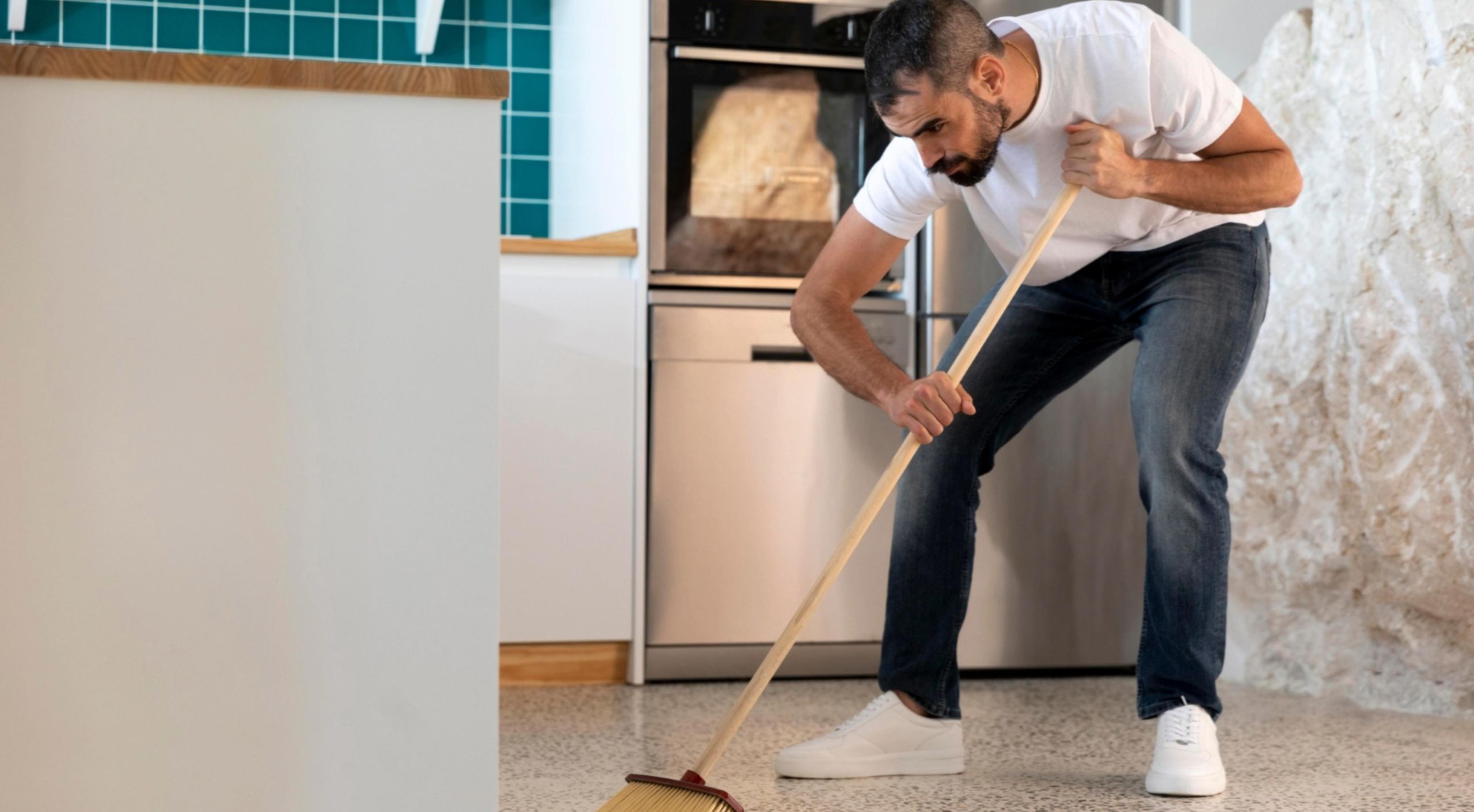
Winter cleaning for pest prevention goes far beyond surface tidiness. As temperatures drop and outdoor food sources become scarce, pests become increasingly resourceful at finding microscopic crumbs, hidden moisture sources, and overlooked harborage areas that standard cleaning routines often miss. The key to effective winter pest prevention lies in understanding where pests hide, what attracts them, and how to eliminate these attractions through strategic cleaning practices.
In Riverside County and North San Diego County, our mild winter climate means pests remain active year-round, making thorough winter cleaning not just helpful—but essential for maintaining a pest-free home throughout the cooler months.
Understanding Winter Pest Behavior and Cleaning Needs
Before diving into specific cleaning strategies, it's important to understand how winter conditions change pest behavior and create new cleaning challenges that don't exist during other seasons.
Increased Indoor Activity Creates New Problems
Winter months bring families indoors for extended periods, resulting in increased food preparation, snacking, and general activity throughout the home. This heightened indoor activity creates more opportunities for pest-attracting conditions:
The combination of increased cooking, holiday baking, and comfort food preparation generates more crumbs, spills, and aromatic compounds that signal food availability to pests. Even the cleanest homeowners find it challenging to immediately address every spill and crumb when managing busy winter schedules and holiday preparations.
Heating Systems Distribute Attractants
Forced-air heating systems can inadvertently spread food aromas and particles throughout your home, alerting pests in wall voids, basements, and attics to food sources they might otherwise never detect. Understanding this distribution pattern helps explain why winter pest problems often appear in areas far from kitchens and dining areas.
Reduced Ventilation Concentrates Odors
Sealed homes during winter months trap cooking odors, pet smells, and other attractants that might dissipate quickly during warmer months when windows remain open. This concentration of attractive scents creates a beacon effect that draws pests from considerable distances toward your home.
Cleaning Tip #1: Deep Clean Hidden Kitchen Areas
The kitchen serves as ground zero for most winter pest problems, but effective pest prevention requires going far beyond standard counter and floor cleaning to address areas where pests actually establish themselves.
Behind and Under Appliances
This area represents the most critical cleaning zone for winter pest prevention, yet it's often overlooked in regular cleaning routines:
- Refrigerator coils and drip pans accumulate organic debris that provides both food and moisture for pests
- Stove gaps and backsplash areas trap grease and food particles that attract ants, cockroaches, and other insects
- Dishwasher seals and drainage areas harbor moisture and food residue in hard-to-reach locations
- Microwave vents and interior surfaces collect grease and food splatters that create persistent attractants
Use a narrow vacuum attachment to remove debris from tight spaces, followed by appropriate cleaners to eliminate grease and food residue. Pay special attention to areas where appliances meet walls or cabinets, as these gaps often accumulate months or years of unnoticed debris.
Cabinet Interiors and Pantry Deep Cleaning
Winter pantry cleaning must address not just visible surfaces but also hidden areas where pests establish themselves:
- Shelf corners and edges where crumbs accumulate over time
- Behind stored items where spills may have gone unnoticed for months
- Inside cabinet doors where sticky residues from cooking sprays and oils collect
- Pantry floor areas under shelving units where dropped items create hidden food sources
Remove all items from cabinets and pantry areas, vacuum thoroughly including corners and crevices, then wipe down all surfaces with appropriate cleaners. Inspect stored food items for signs of pest activity and transfer susceptible items to airtight containers.
Plumbing and Sink Areas
Kitchen plumbing areas provide both moisture and food sources that attract a wide variety of winter pests:
- Under-sink cabinets often harbor moisture, leaked cleaning products, and forgotten spills
- Garbage disposal areas accumulate organic debris in drain covers and splash zones
- Faucet bases and backsplash crevices collect food residue and moisture
- Drain areas where organic buildup provides food sources for drain flies and other pests
Cleaning Tip #2: Address Bathroom Moisture and Hidden Areas
Bathrooms provide essential moisture sources that sustain pest populations during winter months, making thorough bathroom cleaning crucial for comprehensive pest prevention.
Ventilation and Humidity Control
Proper bathroom ventilation management prevents the moisture buildup that attracts numerous pest species:
- Exhaust fan cleaning to ensure maximum efficiency in removing humidity
- Vent duct inspection to verify proper airflow and identify potential pest entry points
- Window and door seal maintenance to prevent moisture retention in wall cavities
- Grout and caulk inspection to identify areas where water penetration creates pest harborage
Hidden Moisture Sources
Winter bathroom cleaning must address less obvious moisture sources that sustain pest populations:
- Behind toilet areas where leaks and condensation often go unnoticed
- Shower and bathtub surrounds where poor sealing allows moisture into wall cavities
- Vanity cabinet interiors where plumbing leaks create persistent moisture problems
- Flooring edges where water penetration supports pest activity beneath floors
Cleaning Tip #3: Eliminate Food Storage Vulnerabilities
Winter food storage practices often inadvertently create ideal conditions for pest infestations, making strategic food storage cleaning essential for pest prevention.
Pantry Organization and Container Management
Effective pest prevention requires systematic evaluation of all food storage practices:
- Original packaging assessment to identify containers that don't provide adequate pest protection
- Airtight container conversion for vulnerable items like flour, sugar, cereal, and pet food
- Expiration date management to remove old items that might attract pests
- Storage area cleaning to eliminate spilled materials that accumulate over time
Bulk Food Storage Security
Many families increase bulk food purchases during winter months, creating new pest attraction opportunities:
- Large container sealing to ensure airtight storage for bulk items
- Storage area inspection to identify signs of pest activity around bulk food areas
- Regular rotation practices to prevent long-term storage that might develop pest problems
- Spill prevention through proper handling and storage techniques
Pet Food Management
Pet feeding areas often become focal points for winter pest activity:
- Daily feeding schedule to avoid leaving food available continuously
- Storage container upgrades to metal or heavy plastic containers that resist pest entry
- Feeding area cleaning to remove spilled kibble and water that attracts pests
- Location assessment to identify feeding areas that might inadvertently provide pest access to other home areas
Cleaning Tip #4: Target Overlooked Crumb Collection Areas
Standard cleaning routines often miss the small spaces where crumbs accumulate over time, creating concentrated food sources that sustain pest populations throughout winter.
Furniture and Appliance Gaps
These narrow spaces collect surprising amounts of food debris:
- Couch cushion crevices where snacking debris accumulates over months
- Recliner mechanisms that trap crumbs in mechanical areas
- Coffee table drawers and hidden compartments that collect food debris
- Entertainment center gaps where family snacking creates hidden food sources
Electronics and Computer Areas
Modern families often eat near electronics, creating pest attraction opportunities:
- Keyboard cleaning to remove crumbs from between keys
- Computer desk areas where snacking debris falls into cable management spaces
- Gaming console areas that attract food debris during extended use periods
- Television stand cleaning to address areas where family eating creates accumulation
Children's Areas and Playrooms
Spaces designed for children often harbor significant amounts of food debris:
- Toy box cleaning to remove crackers, candy, and other snacks that accumulate
- Play area floor cleaning including under furniture and in corners where spills occur
- Art and craft areas where food-based materials or snacking create pest attractions
- Bedroom cleaning in homes where children are allowed to eat in their rooms
Cleaning Tip #5: Seasonal Storage Area Maintenance
Winter storage area cleaning prevents pest populations from establishing themselves in areas that often receive minimal attention during cold months.
Garage and Shed Organization
These areas often become pest harborage sites during winter months:
- Holiday decoration storage inspection and cleaning to prevent pest introduction when decorations are retrieved
- Tool and equipment cleaning to remove organic debris that might attract pests
- Chemical storage review to ensure proper sealing prevents pest attraction to stored materials
- Floor and wall cleaning to eliminate spider webs, insect debris, and potential nesting materials
Basement and Crawl Space Maintenance
Underground areas provide ideal overwintering sites for many pest species:
- Moisture source elimination through leak repair and improved ventilation
- Storage item inspection to identify pest activity in stored clothing, books, or other materials
- Structural cleaning to remove spider webs and insect debris from foundations and support structures
- Access point sealing to prevent pest entry while maintaining necessary ventilation
Attic and Upper Storage Areas
Elevated storage areas often harbor pest populations that spread throughout homes:
- Insulation inspection to identify pest nesting or damage from rodent activity
- Stored item evaluation to remove materials that might provide pest food or nesting opportunities
- Ventilation maintenance to prevent moisture buildup that attracts various pest species
- Entry point assessment to identify and seal areas where pests access storage spaces
Cleaning Tip #6: Laundry and Fabric Pest Prevention
Winter months often bring increased indoor drying and fabric storage that can create pest attraction and harborage opportunities.
Laundry Area Deep Cleaning
Laundry areas accumulate lint, moisture, and organic debris that attract various pest species:
- Dryer vent cleaning to remove lint buildup that provides nesting material for pests
- Washing machine seal maintenance to prevent moisture and soap residue accumulation
- Floor and wall cleaning to address lint and debris that accumulates behind appliances
- Storage area organization to eliminate fabric storage that might harbor fabric pests
Clothing and Linen Storage
Proper fabric storage prevents moth and beetle infestations:
- Seasonal clothing inspection before storing items for potential pest activity
- Cedar and natural deterrent maintenance in closets and storage areas
- Vacuum and cleaning of storage areas before placing seasonal items
- Container selection to provide pest-proof storage for vulnerable fabrics
Cleaning Tip #7: Eliminate Outdoor Attractants Near Your Home
Winter outdoor cleaning focuses on eliminating conditions that attract pests to your property and encourage them to seek indoor shelter.
Foundation and Perimeter Management
The area immediately surrounding your home's foundation requires special attention during winter months:
- Leaf and debris removal from foundation areas where pests might shelter
- Drainage maintenance to prevent water accumulation that attracts pests
- Vegetation management to eliminate overgrown areas that provide pest harborage
- Structural cleaning to remove spider webs and insect debris from building exteriors
Outdoor Storage and Equipment
Items stored outside during winter often become pest harborage sites:
- Firewood management to maintain proper distance from home structures
- Garden equipment cleaning to remove organic debris before winter storage
- Outdoor furniture preparation to eliminate pest harborage opportunities
- Trash and recycling area maintenance to prevent accumulation of pest-attracting materials
Cleaning Tip #8: Establish Systematic Winter Cleaning Schedules
Effective winter pest prevention requires consistent, systematic cleaning practices that address all potential pest attraction and harborage areas.
Daily Maintenance Routines
Establishing daily habits prevents small problems from becoming major pest attractions:
- Immediate spill cleanup to prevent even minor food residues from attracting pests
- Dish and surface cleaning to eliminate daily accumulation of pest attractants
- Trash management to prevent organic waste from creating attractive conditions
- Pet area maintenance to address food and water spills that attract various pests
Weekly Deep Cleaning Focus
Regular weekly cleaning should rotate focus areas to ensure comprehensive coverage:
- Week 1: Kitchen deep cleaning focusing on appliances and hidden areas
- Week 2: Bathroom and moisture source management throughout the home
- Week 3: Storage and organization areas including closets, pantries, and basements
- Week 4: Outdoor and perimeter maintenance to address exterior pest attractions
Monthly Comprehensive Assessment
Monthly evaluations help identify emerging pest attraction issues before they become serious problems:
- Whole-house inspection for signs of pest activity or new attraction sources
- Storage area evaluation to assess organization and cleanliness in less-used areas
- Maintenance issue identification to address leaks, cracks, or other problems that attract pests
- Seasonal adjustment of cleaning routines based on changing conditions and pest activity
The Professional Support Advantage
While comprehensive cleaning forms the foundation of effective winter pest prevention, some situations require professional intervention to achieve optimal results.
When DIY Efforts Need Professional Enhancement
Certain cleaning and pest prevention challenges exceed typical homeowner capabilities:
- Inaccessible areas like wall voids, extensive crawl spaces, or high attics where pest activity occurs
- Established pest populations that have developed resistance to typical cleaning and prevention efforts
- Structural issues that create pest entry points or harborage areas requiring professional repair
- Large-scale infestations where cleaning alone cannot address the scope of the pest problem
Integrated Pest Management Benefits
Professional residential pest control services complement comprehensive cleaning efforts through:
- Expert identification of pest species and their specific attraction and harborage requirements
- Targeted treatment applications that address pest populations in areas inaccessible to cleaning efforts
- Long-term prevention strategies that combine cleaning practices with professional intervention
- Monitoring and adjustment of pest management approaches based on seasonal changes and effectiveness
Source Pest Control has been helping Riverside County and North San Diego County families maintain clean, pest-free homes since 2011. Our comprehensive approach combines homeowner education about effective cleaning practices with professional treatment and prevention services that address pest problems beyond the reach of even the most thorough cleaning routines.
Creating Long-Term Success Through Consistent Practices
The most effective winter pest prevention combines strategic cleaning practices with consistent implementation and professional support when needed.
Build Sustainable Cleaning Habits
Success in winter pest prevention comes from developing cleaning routines that can be maintained consistently throughout the season:
- Realistic scheduling that fits cleaning requirements into busy winter and holiday schedules
- Family involvement to ensure all household members understand and support pest prevention cleaning practices
- Flexible adaptation that allows cleaning routines to adjust to changing family needs and pest pressures
- Documentation and tracking to identify which cleaning practices provide the best pest prevention results
Monitor and Adjust
Effective pest prevention requires ongoing evaluation and adjustment of cleaning practices:
- Regular assessment of pest activity levels to determine cleaning effectiveness
- Seasonal modification of cleaning routines based on changing pest pressures and family activities
- Problem area identification to focus additional attention on areas where pest activity persists
- Professional consultation when cleaning efforts need enhancement through integrated pest management approaches
Frequently Asked Questions
How often should I deep clean to prevent winter pest problems?
Deep cleaning frequency depends on your home's specific risk factors, but most homes benefit from rotating deep cleaning focus areas weekly. Kitchen appliances should be deep cleaned monthly, storage areas quarterly, and comprehensive whole-house deep cleaning twice during winter months. Homes with previous pest issues may require more frequent attention to problem areas.
What cleaning products work best for pest prevention?
Effective pest prevention cleaning uses products that eliminate both visible debris and the residues that attract pests. Degreasing agents for kitchen areas, enzyme cleaners for organic spills, and disinfectants for moisture-prone areas work well. Avoid products with strong fragrances that might mask pest-attracting odors rather than eliminating them. Natural options like vinegar solutions can be effective for many cleaning tasks.
Can I clean my way out of an existing pest infestation?
While thorough cleaning is essential for pest management, established infestations typically require professional treatment in addition to cleaning efforts. Cleaning eliminates the conditions that support pest populations, but active infestations usually need targeted treatment to eliminate existing pests before cleaning can prevent their return. The most effective approach combines professional treatment with comprehensive cleaning practices.
Which areas of my home need the most attention for winter pest prevention?
Kitchen areas, particularly behind appliances and in pantries, require the most intensive cleaning attention. Bathrooms and other moisture-prone areas rank second, followed by storage areas like basements, garages, and attics. Don't overlook transition areas like mudrooms and laundry rooms, which often accumulate debris and moisture that attracts pests.
How do I know if my cleaning efforts are working to prevent pests?
Success indicators include absence of pest sightings, elimination of conditions that previously attracted pests, and maintenance of clean conditions without constant intensive effort. If you continue to see pest activity despite thorough cleaning, this may indicate that professional intervention is needed to address pest populations in areas beyond cleaning reach, or that there are structural issues requiring professional assessment.
Effective winter pest prevention through strategic cleaning requires dedication, consistency, and understanding of how pests exploit even minor oversights in home maintenance. By implementing these eight comprehensive cleaning strategies, homeowners can significantly reduce their property's attractiveness to winter pests while creating healthier, more comfortable living environments for their families.
Remember that the most effective approach combines thorough cleaning practices with professional pest management when needed. Don't let winter pest problems disrupt your family's comfort and health.
Contact Source Pest Control today to discuss how our professional services can complement your cleaning efforts and provide comprehensive protection against winter pest invasions throughout Riverside County and North San Diego County.