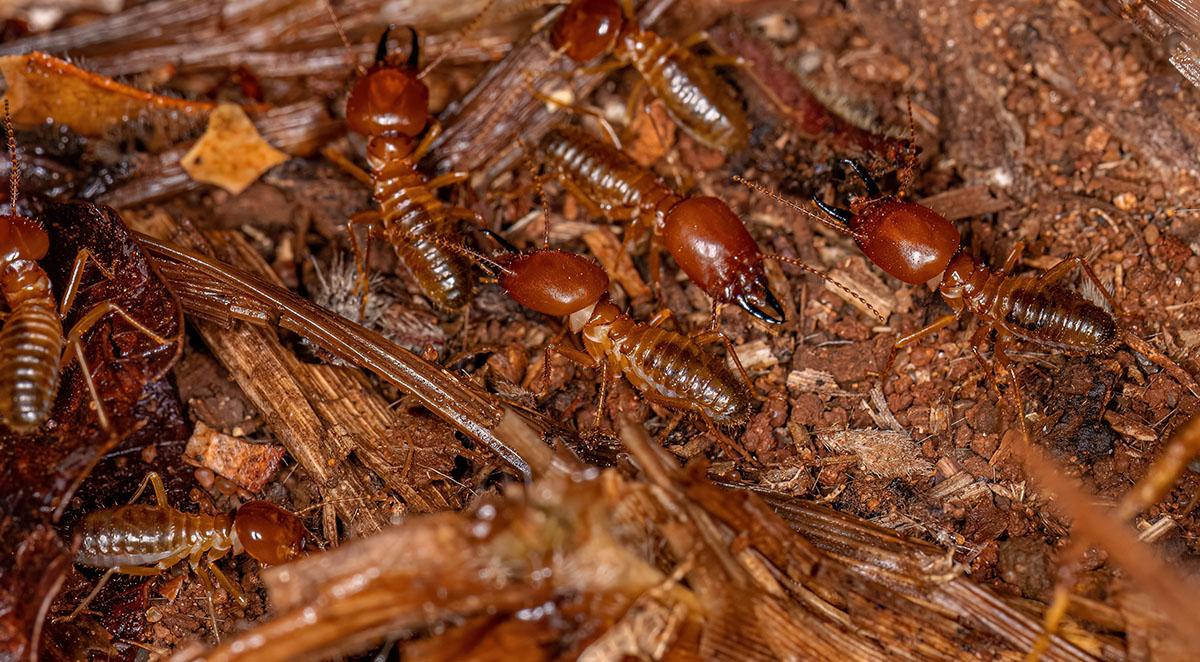
There is a dangerous misconception that many Southern California homeowners share: that winter provides a reprieve from termite activity. Unlike regions with harsh, freezing winters that halt termite activity, our mild Mediterranean climate allows these destructive pests to remain active throughout the year, making winter termite inspections not just beneficial—but essential.
Understanding why termites remain active during our "winter" months and the unique advantages of cold-season inspections can save homeowners thousands of dollars in preventable damage while protecting their most valuable investment.
1. Southern California's Unique Termite Climate
Our region's year-round termite threat stems from several climatic and environmental factors that distinguish us from other parts of the country where termite activity follows predictable seasonal patterns.
Mild Winter Temperatures Sustain Activity
While other regions experience freezing temperatures that force termites into dormancy, Southern California's winter temperatures rarely drop below 40°F for extended periods. Most days hover between 50-70°F—well within the temperature range that allows termites to continue feeding, tunneling, and reproducing.
This consistent warmth means that termite colonies never fully shut down their destructive activities. Instead, they may simply slow their pace slightly during cooler periods while maintaining their relentless consumption of wooden structures in your home.
Consistent Moisture from Winter Rains
Southern California's winter rainy season creates ideal conditions for termite activity. The increased soil moisture from December through March provides perfect conditions for subterranean termites, while the higher ambient humidity supports drywood termite colonies that might otherwise struggle during our typically dry climate.
Winter rains also create new moisture problems in homes—leaky roofs, poor drainage, and increased humidity—that attract termites and make wooden structures more appealing targets for infestation.
Reduced Human Detection During Indoor Months
Homeowners spend less time in attics, basements, crawl spaces, and outdoor areas during winter months, reducing the likelihood of discovering early signs of termite activity. This decreased vigilance allows infestations to progress undetected during the very season when conditions may be most favorable for termite expansion.
2. The Two Primary Termite Threats in Our Region
Understanding the different types of termites active in Riverside County and North San Diego County helps homeowners recognize why winter inspections are crucial for comprehensive protection.
Subterranean Termites: The Winter Advantage
Subterranean termites are particularly active during our winter months due to increased soil moisture and stable ground temperatures. These termites build distinctive mud tubes that connect their underground colonies to the wooden structures they're consuming in your home.
Key characteristics of winter subterranean termite activity include:
- Increased mud tube construction as moist soil conditions make building easier
- Expanded foraging territory as colonies seek new food sources during slow periods
- Enhanced survival rates due to optimal moisture conditions
- Reduced natural predation as many predator species become less active in cooler weather
Winter inspections are particularly effective for detecting subterranean termite activity because their mud tubes become more prominent and easier to spot during the rainy season when they're actively building and maintaining these structures.
Drywood Termites: Year-Round Interior Threats
Drywood termites live entirely within the wood they consume, making them independent of soil moisture and ground temperature fluctuations. These termites remain active throughout winter months, continuing their destructive feeding within your home's wooden structures.
Winter presents unique detection opportunities for drywood termites:
- Increased indoor time allows homeowners to notice subtle signs like frass (droppings)
- Reduced outdoor distractions help focus attention on interior home maintenance
- Lower humidity makes termite damage more visible as wood contracts slightly
- Better access to attics and crawl spaces during cooler weather for inspection purposes
3. Why Winter Inspections Provide Superior Detection
Professional termite inspections conducted during winter months offer several distinct advantages over inspections performed during other seasons, making this timing optimal for comprehensive termite detection and prevention.
Enhanced Visibility of Termite Evidence
Winter weather conditions and seasonal factors combine to make termite evidence more visible and easier to detect during professional inspections:
- Mud tubes stand out against wet foundations and walls
- Frass accumulations become more noticeable on lighter-colored surfaces
- Structural damage is more apparent when wood contracts in lower humidity
- Access improvements allow inspectors to reach areas that might be uncomfortable during hot summer months
Reduced Interference from Other Pest Activity
During winter months, reduced activity from other insects and pests allows termite inspectors to focus specifically on termite-related evidence without the distractions and complications that can occur during peak pest seasons.
Optimal Timing for Treatment Planning
Winter inspections allow homeowners to identify and address termite problems before the peak activity periods of spring and summer. This timing provides several strategic advantages:
- Treatment scheduling flexibility before busy spring pest control season
- Cost considerations as some pest control companies offer winter service discounts
- Preparation time to plan and budget for necessary treatments
- Prevention opportunities to address conducive conditions before peak termite season
4. Common Winter Termite Signs Homeowners Miss
Many homeowners overlook subtle signs of termite activity during winter months, mistaking them for normal seasonal changes or other maintenance issues. Recognizing these easily missed indicators can prevent extensive damage.
Moisture-Related Warning Signs
Winter's increased moisture creates conditions that both attract termites and mask their presence. Be alert for these moisture-related termite indicators:
- Unexplained water stains on walls or ceilings that could indicate termite-damaged wood allowing moisture penetration
- Soft or spongy flooring that might result from subterranean termite damage combined with winter moisture
- Musty odors in basements or crawl spaces that could indicate both moisture problems and termite activity
- Paint bubbling or peeling on wooden surfaces that might conceal termite damage beneath
Structural Changes During Cool Weather
Cooler temperatures cause slight contraction in wooden building materials, sometimes revealing termite damage that isn't visible during warmer months:
- New gaps around windows or doors that could indicate termite-weakened frames
- Creaking or sagging floors that become more noticeable as damaged wood contracts
- Doors or windows sticking due to termite-compromised structural integrity
- Small holes or cracks in wooden surfaces that become more apparent in lower humidity
Overlooked Interior Signs
Homeowners spending more time indoors during winter have increased opportunities to notice subtle termite signs, but often dismiss them as unimportant:
- Small piles of sawdust-like material (frass) near wooden furniture or structures
- Hollow sounds when tapping wooden surfaces
- Tight-fitting doors that seem to require more force to open or close
- Small holes in wooden furniture or trim that might be termite exit points
5. The Professional Winter Inspection Process
Understanding what a comprehensive winter termite inspection involves helps homeowners appreciate the value of professional services and know what to expect during the process.
Comprehensive Property Assessment
Professional winter termite inspections go far beyond simple visual examinations, incorporating specialized tools and techniques that take advantage of winter conditions:
- Moisture meter readings to identify areas with elevated moisture that attract termites
- Foundation perimeter inspection when winter rains make mud tubes most visible
- Interior wood probing using specialized tools to detect hollow areas indicating termite damage
- Attic and crawl space examination when cooler temperatures make these areas more accessible for thorough inspection
Advanced Detection Methods
Modern termite inspection techniques provide more accurate results during winter months when environmental conditions enhance detection capabilities:
- Thermal imaging to identify temperature variations that could indicate termite activity
- Acoustic detection to listen for termite activity within walls and wooden structures
- Borescope inspection of wall voids and other inaccessible areas
- Moisture analysis to identify conditions that support ongoing termite activity
Documentation and Reporting
Professional winter inspections provide detailed documentation that serves multiple purposes:
- Photographic evidence of any termite activity or damage discovered
- Detailed written reports describing findings and recommended actions
- Treatment recommendations with priority levels and cost estimates
- Prevention strategies specific to your property's vulnerabilities and the winter season
6. Winter Treatment Advantages
When termite activity is discovered during winter inspections, the cooler season provides several advantages for treatment implementation that aren't available during other times of the year.
Optimal Treatment Conditions
Winter weather conditions can enhance the effectiveness of certain termite treatment methods:
- Soil treatments penetrate more effectively in moist winter soil
- Baiting systems may be more attractive to termites when natural food sources are scarcer
- Localized treatments can be applied without concerns about extreme heat affecting product performance
- Fumigation procedures benefit from cooler temperatures and reduced wind conditions
Reduced Disruption to Daily Life
Winter termite treatments often cause less disruption to homeowners' daily routines:
- Indoor treatments are more comfortable for occupants during mild weather
- Exterior work can proceed without extreme heat concerns for workers and homeowners
- Ventilation requirements are easier to manage in cooler temperatures
- Property access is generally easier when landscapes are dormant and outdoor activities are reduced
Cost and Scheduling Benefits
Winter termite treatments may offer practical advantages:
- Service availability as pest control companies have more flexible scheduling during slower seasons
- Potential cost savings as some companies offer off-season treatment discounts
- Preparation time to plan treatments around family schedules and commitments
- Follow-up scheduling flexibility for monitoring and additional treatments if needed
7. Preventive Measures During Winter Months
While professional inspection and treatment are essential for managing active termite threats, homeowners can implement several preventive measures during winter months to reduce their property's attractiveness to termites.
Moisture Management Strategies
Since winter moisture creates ideal conditions for termite activity, managing water around your property becomes crucial:
- Gutter maintenance to ensure proper water drainage away from your home's foundation
- Grading correction to prevent water pooling near wooden structures
- Leak repairs to eliminate moisture sources that attract termites to wooden building materials
- Ventilation improvements in crawl spaces and basements to reduce humidity levels
Landscape and Exterior Modifications
Winter is an ideal time to implement landscape changes that reduce termite attraction:
- Wood-to-soil contact elimination by creating barriers between wooden structures and ground
- Mulch management to maintain appropriate distances between organic materials and your home
- Tree and shrub trimming to reduce moisture retention near your home's exterior
- Firewood storage improvements to keep wood piles away from your home's structure
Interior Prevention Steps
Winter months provide opportunities to address interior conditions that might attract termites:
- Basement and crawl space organization to improve access for future inspections
- Wood storage management to keep lumber and wooden materials properly stored
- Humidity control through improved ventilation and dehumidification when necessary
- Regular monitoring of areas where previous termite activity has occurred
8. The Cost of Delayed Detection
Understanding the financial implications of postponing termite detection until more obvious signs appear helps homeowners appreciate the value of proactive winter inspections.
Exponential Damage Progression
Termite damage doesn't progress linearly—it accelerates over time as colonies grow and expand their feeding territory:
- Early detection might require treatment costs of $500-$1,500
- Moderate infestations typically cost $2,000-$5,000 to address
- Advanced damage can result in repair costs exceeding $10,000-$15,000
- Structural damage may require tens of thousands of dollars in reconstruction
Hidden Damage Multiplication
Winter termite activity often occurs in hidden areas where damage can progress extensively before becoming visible:
- Foundation damage that compromises structural integrity
- Floor joist destruction requiring extensive reconstruction
- Wall frame deterioration necessitating major renovation work
- Roof structure compromise that can affect entire sections of homes
Source Pest Control has been protecting Riverside County and North San Diego County homes from termite damage since 2011. Our comprehensive termite inspection and treatment services include specialized winter inspection programs designed to detect and address termite threats before they cause extensive damage.
9. Professional vs. DIY Winter Termite Detection
While homeowners can implement basic monitoring practices, professional winter termite inspections provide capabilities and expertise that DIY efforts cannot match.
Limitations of DIY Detection
Homeowner termite detection efforts face several significant limitations:
- Access restrictions to areas where termite activity commonly occurs
- Equipment limitations without specialized detection tools and instruments
- Experience gaps in recognizing subtle signs of termite activity
- Safety concerns when inspecting crawl spaces, attics, and other potentially hazardous areas
Professional Inspection Advantages
Professional termite inspectors bring resources and expertise that ensure comprehensive detection:
- Specialized training in termite biology, behavior, and detection methods
- Professional equipment including moisture meters, thermal imaging, and acoustic detection devices
- Comprehensive coverage of all areas where termite activity might occur
- Legal documentation that provides protection for real estate transactions and insurance purposes
10. Frequently Asked Questions
Do termites really stay active during Southern California winters?
Yes, termites remain active throughout Southern California's mild winter months. Our region's temperatures rarely drop low enough to force termites into dormancy, and winter rains actually create more favorable conditions for many termite species. Subterranean termites become more active due to increased soil moisture, while drywood termites continue their year-round feeding within wooden structures.
How often should I have my home inspected for termites?
Most pest control professionals recommend annual termite inspections, but winter inspections every 18-24 months can provide optimal protection in Southern California. Properties with previous termite activity, homes in high-risk areas, or older structures may benefit from more frequent inspections. The key is establishing a regular inspection schedule that allows for early detection before significant damage occurs.
What's the difference between winter and summer termite inspections?
Winter inspections offer several advantages including better visibility of mud tubes during rainy seasons, enhanced access to attics and crawl spaces in cooler weather, and reduced interference from other pest activity. Summer inspections may detect swarming activity and reproductive behavior, but winter inspections are often better for detecting ongoing structural damage and established colonies.
Can I schedule termite treatment immediately after a winter inspection?
Yes, and winter treatment often provides advantages including optimal soil conditions for ground treatments, comfortable working conditions for technicians, and reduced disruption to your daily routine. Many pest control companies also have more flexible scheduling during winter months, allowing for quicker treatment implementation when necessary.
Are winter termite inspections more expensive than regular inspections?
Winter termite inspections typically cost the same as inspections during other seasons. Some pest control companies may offer off-season discounts during winter months when demand is typically lower. The comprehensive nature of winter inspections often provides better value due to enhanced detection capabilities during this optimal season.
Winter termite inspections represent one of the most important investments Southern California homeowners can make in protecting their property. The combination of year-round termite activity, optimal detection conditions, and treatment advantages makes winter the ideal season for comprehensive termite management.
Don't let the mild winter weather fool you into thinking your home is safe from termite damage. These destructive pests work continuously, and early detection is your best defense against costly repairs and structural damage.
Contact Source Pest Control today to schedule your comprehensive winter termite inspection and protect your home with professional expertise that's been serving our community since 2011.