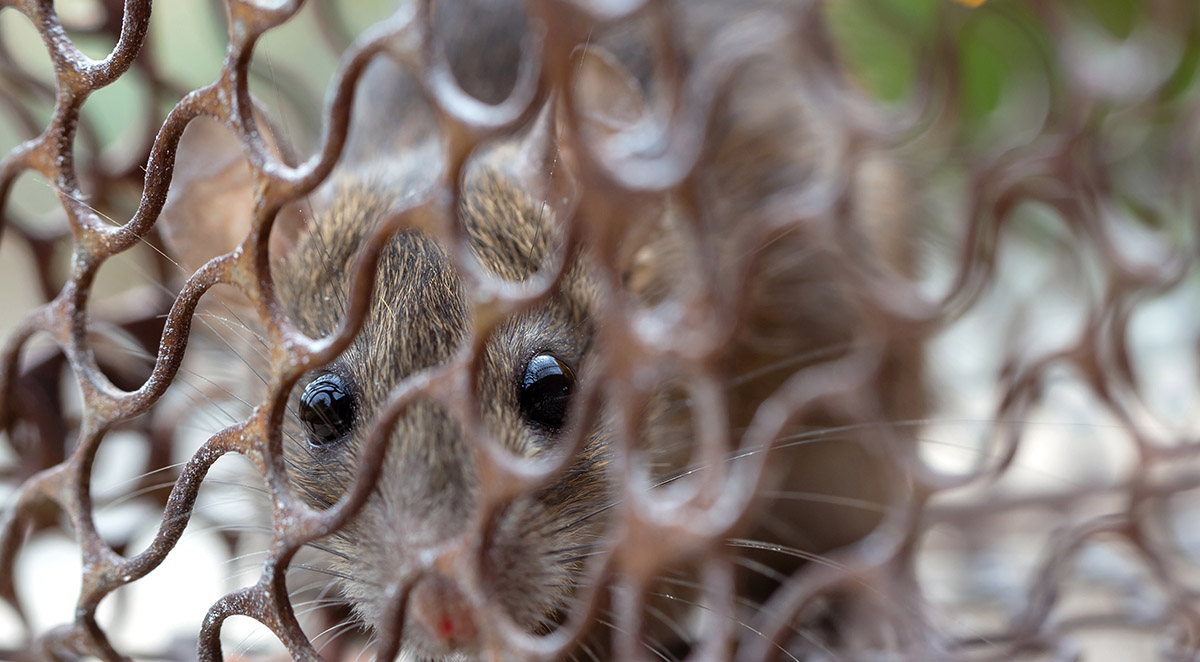
As temperatures cool across Southern California, rats and mice begin searching for warm shelter, and your home offers exactly what they need. Fall is when rodents prepare for winter, and winter is the peak of rodent season in our region. The best time to prepare your home for rodents is before they find a way inside.
Source Pest Control has protected homes and businesses throughout Riverside County and North San Diego County since 2011. This guide explains how rodents get into homes, which warning signs to watch for, and why professional rodent exclusion is the step that keeps them out for the long term.
Quick Summary
- Timing: Rodents prepare for winter during the fall months, and winter is peak rodent season in Southern California.
- Entry points: Mice can squeeze through a 1/4-inch gap, and rats can fit through openings as small as 1/2-inch.
- Exclusion: Sealing entry points creates a physical barrier that stops new rodents from getting inside.
- Treatment: Trapping and baiting remove the rodents already present, while exclusion addresses the root cause.
- Protection: Our Enhanced Plan combines general pest control with ongoing rodent monitoring and exclusion work.
Why Fall Marks the Start of Rodent Season in California
Southern California's mild climate means there is no true off-season for pest control. Even so, rodent activity follows a clear seasonal pattern. As fall arrives, rats and mice prepare for winter and look for protected spaces with reliable food and water. By winter, rodents are at their peak as they seek warm shelter indoors. Our earlier article on how to protect your home from rodents in winter covers what that peak season looks like once it arrives.
Rodent pressure also varies by setting. Properties near open spaces, canyons, and natural preserves often see more rodent activity because of the wildlife nearby. Suburban developments in the inland valleys deal with steady rodent pressure, and homes in agricultural areas can attract roof rats that live in fruit trees. Wherever you live, fall is the window to act before rodents settle in.
The Real Cost of Letting Rodents In
Rats and mice create serious problems once they move inside. They pose health risks and cause damage that can be costly to repair. Here is what homeowners face when rodents take up residence:
- Health risks: Rodents can transmit diseases through their droppings, urine, and saliva.
- Contamination: They contaminate food preparation surfaces and stored items in pantries and garages.
- Property damage: Rodents gnaw on wood, plastic, wiring, and insulation.
- Fire hazards: Chewed electrical wiring creates a real fire risk inside walls and attics.
Signs Rodents Have Already Moved In
Many homeowners discover a rodent problem only after the animals have been inside for some time. Knowing the warning signs helps you respond quickly. Watch for these common indicators:
- Droppings along baseboards, in pantries, or under sinks
- Scratching or scurrying sounds within walls or ceilings
- Gnaw marks on food packaging, furniture, or electrical wires
- Nests made from shredded materials in secluded areas
- Greasy rub marks along walls and floorboards
- A distinctive musky odor in enclosed spaces
If you notice any of these signs, a professional inspection can identify the species, locate nesting sites, and determine the full scope of the activity.
How Rodents Get Inside Your Home
Rodents enter through remarkably small openings. Mice need only a 1/4-inch gap, while rats can squeeze through holes as small as 1/2-inch. Because these openings are so small, many of them go unnoticed during a casual look around the house.
Common Entry Points to Watch
Most rodent entry points fall into a few predictable categories. Our technicians check each of these areas during an inspection:
- Gaps around pipes, vents, and cables
- Utility penetrations where lines enter the home
- Cracks in the foundation
- Damaged screens on vents and windows
- Openings under doors
What Is Rodent Exclusion?
Rodent exclusion is the process of sealing the openings rodents use to enter a structure. Unlike trapping alone, which addresses only the rodents already inside, exclusion creates a physical barrier that prevents new rodents from entering. That is why professional exclusion work is the cornerstone of our rodent control approach.
Exclusion addresses the root cause of an infestation and provides lasting protection for your property. It also protects your home from future damage and the health risks that come with rodent activity. For homeowners focused on rodent proofing a home before winter, exclusion is the most effective long-term solution.
How Our Technicians Seal Rodent Entry Points
Our technicians are trained in rodent behavior and construction methods, which allows them to identify and properly seal even the most difficult-to-detect openings. Professional exclusion work includes:
- Sealing potential entry points with durable materials
- Closing gaps around pipes, vents, and utility penetrations
- Securing vulnerable areas along the foundation
- Installing door sweeps and weather stripping where needed
- Creating a physical barrier that prevents future rodent entry
Why DIY Rodent Proofing Often Falls Short
Many homeowners try to seal rodent entry points on their own. DIY exclusion often misses crucial openings that only experienced professionals can identify. Rodents are persistent and will exploit even the smallest gap, so a single missed opening can undo hours of work.
Our professional rodent exclusion service uses specialized materials and techniques to create a complete barrier that DIY methods typically cannot achieve. If you want to learn how to keep rats out of your house for good, the answer starts with finding every opening, including the ones that are hard to see.
Our Rodent Control Process
Effective rodent control combines removal of the current population with steps that stop new rodents from getting in. Our process follows four stages:
1. Detailed inspection: We identify the rodent species, locate nesting sites and activity areas, and determine entry points and travel pathways.
2. Comprehensive treatment: We place traps and tamper-resistant bait stations in strategic locations, with interior and exterior treatments tailored to your property.
3. Professional exclusion: We seal entry points to create a physical barrier against future rodent entry.
4. Ongoing protection: We maintain bait stations and monitoring devices, inspect exclusion repairs, and schedule follow-up services as needed.
Most rodent problems show significant improvement within 1-2 weeks, although complete control may take 3-4 weeks for established infestations. The exclusion phase provides immediate protection against new rodents entering, while trapping and baiting eliminate the existing population.
Rodent Prevention Tips for Fall
A few simple steps this fall can help you spot trouble early and prepare your home for professional exclusion work. Use this checklist as you walk around your property:
1. Inspect utility areas: Look for gaps around pipes, vents, cables, and other utility penetrations.
2. Check the foundation: Note any cracks along the foundation and any damaged vent or window screens.
3. Look at your doors: Check for gaps under exterior doors, where door sweeps and weather stripping can help.
4. Watch for early signs: Keep an eye out for droppings, gnaw marks, and scratching sounds in walls or ceilings.
5. Schedule an inspection: Have a licensed technician evaluate your home before winter, when rodent activity peaks.
Ongoing Protection with the Enhanced Plan
For lasting results, our Enhanced Plan includes all the services in our General Pest Control Program plus specialized rodent management. This plan includes rodent monitoring and control, professional rodent exclusion work, placement and maintenance of bait stations, interior trapping when necessary, and regular monitoring for new activity. You can learn more about both plans on our residential pest control page.
Safety is a priority in every rodent program we design. We use tamper-resistant bait stations placed in locations inaccessible to children and non-target animals, and we primarily use trapping rather than baits for interior treatments. For more on protecting your household, read our guide to pet-safe pest control. All of our residential plans also include free service calls between scheduled visits if pests return.
Frequently Asked Questions
When is rodent season in Southern California?
Rodents prepare for winter during the fall months and reach peak activity in winter as they seek warm shelter. Southern California has no true off-season, so rodent issues can continue through the colder months, particularly in older neighborhoods and properties near open spaces.
How small of an opening can a rodent fit through?
Mice need only a 1/4-inch gap, while rats can squeeze through holes as small as 1/2-inch. Common entry points include gaps around pipes, vents, and cables, foundation cracks, damaged screens, and openings under doors.
Is rodent control safe for my family and pets?
Yes. We use tamper-resistant bait stations placed in strategic locations inaccessible to children and non-target animals. For interior treatments, we primarily use trapping methods rather than baits, and our technicians implement rodent control with safety as the priority.
How long does it take to resolve a rodent problem?
Most rodent problems show significant improvement within 1-2 weeks. Complete control may take 3-4 weeks for established infestations. Exclusion work provides immediate protection against new rodents while trapping and baiting remove the existing population.
Do you offer ongoing rodent prevention services?
Yes. After we resolve your immediate rodent problem, we recommend a maintenance program that includes regular inspection of exclusion repairs, monitoring for new activity, and maintenance of exterior bait stations. This proactive approach prevents new infestations before they become established.
Get Ahead of Rodent Season This Fall
Rodents are already preparing for winter, and the openings around your home determine whether they spend it inside your walls. Professional exclusion work seals those openings, while targeted trapping and baiting handle any rodents already present. Together, these steps give your home lasting protection through the colder months.
Our licensed technicians bring local knowledge of regional rodent pressures to every property we service. Contact Source Pest Control today to schedule a rodent inspection and free estimate, and get your home ready before rodent season peaks.