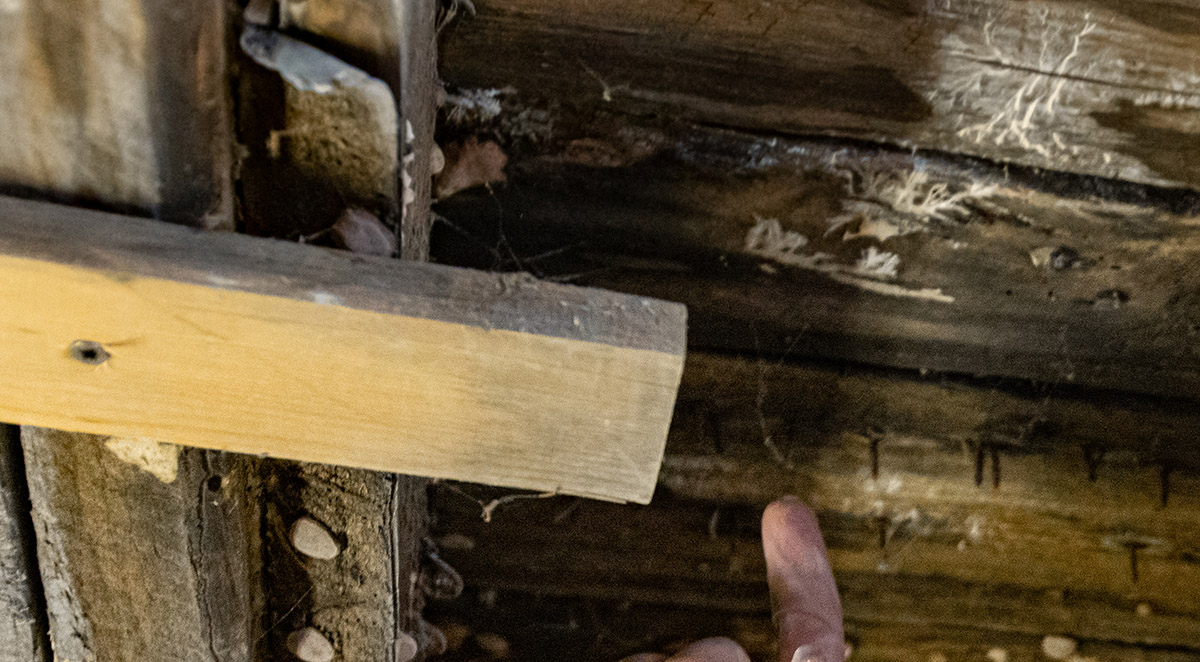
When you sell a home, a termite inspection is often one of the steps between accepting an offer and closing. Many lenders require a wood destroying organism (WDO) inspection, especially for FHA and VA loans, and buyers want to know the structure is sound. Knowing what happens during a termite inspection helps you prepare and keep your transaction on schedule.
Source Pest Control has provided WDO inspections for real estate transactions throughout Riverside County and North San Diego County since 2011. This guide walks sellers and real estate professionals through the inspection, the report, and what happens if the inspector finds termites.
Quick Summary
- Purpose: A termite inspection documents active infestations, previous activity, damage, and conducive conditions.
- Requirements: Many lenders, especially those providing FHA and VA loans, require a WDO inspection.
- Timing: Inspections are typically scheduled within 1-3 business days and take about 1-2 hours to complete.
- Report: The written report is usually available within 1-2 business days, with expedited options for urgent transactions.
- Findings: If issues are found, you receive a treatment proposal that all parties can use to negotiate before closing.
Why Sellers Need a Termite Inspection
Wood destroying organisms can cause significant structural damage that may not be visible during a standard home inspection. A specialized WDO report identifies problems a general inspection can miss, which protects the buyer, the seller, and the lender. These inspections are often critical for closing a sale and help prevent unexpected issues after purchase.
Southern California's climate supports termite activity year-round, and even newer homes can become vulnerable without proper preventative measures. Termite damage is also typically not covered by homeowner's insurance, which is one reason buyers and lenders take these reports seriously. For a broader look at the topic, see our complete guide to WDO inspections for Riverside County.
WDO vs. WDI: Understanding the Terms
You may hear two terms during a sale. A WDO (Wood Destroying Organism) inspection covers all organisms that can damage wood, including insects and fungi. A WDI (Wood Destroying Insect) inspection focuses specifically on insects such as termites, carpenter ants, and wood-boring beetles.
Our comprehensive inspections cover all wood destroying organisms. When an agent or lender asks for a WDO inspection before selling, this full-scope report gives every party in the transaction a complete picture of the property.
What Happens During a Termite Inspection
A licensed inspector examines the property from the foundation to the attic. The inspection time varies based on property size and complexity, but it typically takes 1-2 hours. Here is what the process includes.
Complete Property Evaluation
The inspector works through every accessible area where wood destroying organisms can live or cause damage:
- Inspection of all accessible interior and exterior wooden structures
- Examination of crawl spaces, attics, and other vulnerable areas
- Identification of moisture issues and other conducive conditions
- Assessment of the effectiveness of any previous treatment
Detailed Documentation
Everything the inspector finds is recorded for the report. This documentation includes:
- Clear identification of active infestations
- Notation of evidence indicating previous activity
- Documentation of existing damage requiring repair
- Photos of significant findings
- Moisture readings where applicable
What the Inspector Looks For
A WDO inspection targets several types of organisms. Each leaves different evidence, and a trained inspector knows how to tell them apart.
Subterranean Termites
These ground-dwelling termites build distinctive mud tubes to travel between their colony and the wood they consume. They cause the most structural damage in the United States and are prevalent throughout our service area.
Drywood Termites
Drywood termites do not require contact with soil and can establish colonies directly in the wooden components of a home. They are common in Southern California, particularly in older homes, and their activity peaks in the fall months. Our article on drywood termite swarming season explains what that activity looks like.
Other Wood Destroying Organisms
The inspection also covers wood-boring beetles such as powderpost beetles and furniture beetles, which leave distinctive exit holes and frass. Inspectors also check for carpenter ants, which excavate wood for nesting, and wood decay fungi, which often indicate plumbing leaks or water intrusion.
Common Warning Signs
Inspectors look for physical evidence of termite activity, including:
- Discarded wings near windowsills and doors
- Mud tubes along foundations, crawl spaces, and walls
- Hollow-sounding wood when tapped
- Small piles of droppings that resemble tiny pellets
- Bubbling or uneven paint on wood surfaces
- Tight-fitting doors and windows caused by moisture from termite activity
How to Prepare for Your Termite Inspection
A little preparation helps the inspection go smoothly and keeps your closing timeline intact. Sellers can take these steps:
1. Schedule early: Book the inspection as soon as possible in the transaction, since inspections are typically scheduled within 1-3 business days.
2. Provide access: Make sure the inspector can reach attics, crawl spaces, and other areas that need to be examined.
3. Gather records: Have documentation of any previous termite treatments available so the inspector can assess past work.
4. Share observations: Tell the inspector about any concerns, such as discarded wings or damaged wood you have noticed.
5. Coordinate with your agent: Confirm who should receive the report so it reaches every party promptly.
Understanding the Escrow Termite Report
After the inspection, you receive a comprehensive written report that meets industry standards. The escrow termite report is usually available within 1-2 business days, and expedited services are available for urgent situations. Reports come in both digital and printed formats.
The report documents current termite activity, evidence of previous infestations and treatments, conducive conditions, and damage requiring repair. It also includes clear treatment recommendations with associated costs. Our reports distinguish between active infestations that require treatment and evidence of previous, inactive infestations that may already have been treated.
A property can pass inspection with previous damage noted. Previous damage that does not affect structural integrity often does not require action, though repair recommendations may be noted in the report.
When the Inspection Finds Termites
Finding termites during a sale is common, and it does not have to derail the transaction. If the inspection reveals active infestations or damage, we provide a detailed treatment proposal outlining the recommended solutions and associated costs. This allows all parties to negotiate appropriate resolutions before closing.
Treatment Options
Depending on the findings, a treatment plan may include:
- Localized spot treatments for isolated issues
- Advanced baiting systems to eliminate entire colonies
- Soil treatments that create protective barriers
- Wood treatments to protect vulnerable structural elements
Documentation for Closing
Once treatment is complete, we provide post-treatment documentation for closing requirements. This paperwork is what most buyers, sellers, and agents need when they ask about termite clearance for a real estate transaction. We also offer warranty options for added peace of mind, with terms that depend on the treatment performed and the property.
How We Support Realtors and Their Clients
Real estate professionals rely on inspection partners who understand transaction timelines. Our team offers fast turnaround times, flexible treatment scheduling, and direct communication with all transaction parties as needed. We also provide clear explanations of findings to buyers and sellers and assist with treatment negotiations.
Agents looking for a termite inspection for realtors and their clients can learn more on our realtor services page. Our inspectors are licensed, experienced professionals who provide objective, thorough reports that stand up to scrutiny.
Frequently Asked Questions
Is a termite inspection required to sell my home?
Requirements vary depending on the lender, the type of financing, and sometimes the location of the property. Not every transaction requires a WDO inspection, but many lenders, especially those providing FHA and VA loans, do. Even when it is not required, an inspection is strongly recommended to protect buyers from unexpected repair costs.
How long does a termite inspection take?
The inspection typically takes 1-2 hours, depending on property size and complexity. The written report is usually available within 1-2 business days after the inspection, with expedited options available for urgent transactions.
Can my home pass inspection if previous damage is noted?
Yes. Our reports distinguish between active infestations requiring treatment and evidence of previous, inactive infestations or damage that may already have been treated. Previous damage that does not affect structural integrity often does not require action.
What happens if termites are found during escrow?
We provide a detailed treatment proposal outlining the recommended solutions and associated costs. All parties can use this information to negotiate before closing, and we can schedule treatment to fit the transaction timeline.
Should I worry about termites if my home is newer?
Yes. Newer homes may include some termite-resistant materials, but they are not immune to infestations. Without ongoing protection, even new construction can become vulnerable within a few years.
Keep Your Home Sale on Track
A termite inspection before selling your home gives buyers confidence and helps you avoid surprises late in escrow. Knowing what the inspector examines, what the report includes, and how treatment works puts you in a strong position to move toward closing.
Source Pest Control offers prompt scheduling, detailed reports, and treatment solutions when problems are identified. Learn more about our termite control services, or contact us today to schedule a WDO inspection for your home sale.