

Bed Bug Treatment in Temecula, Murrieta and North County
Bed bug treatment by heat or by traditional methods in Temecula, Murrieta and North San Diego County, from a team that has worked in California since 2011. The bed bug inspection and the estimate are free, and we tell you which treatment fits your home and what to do before the technician arrives.
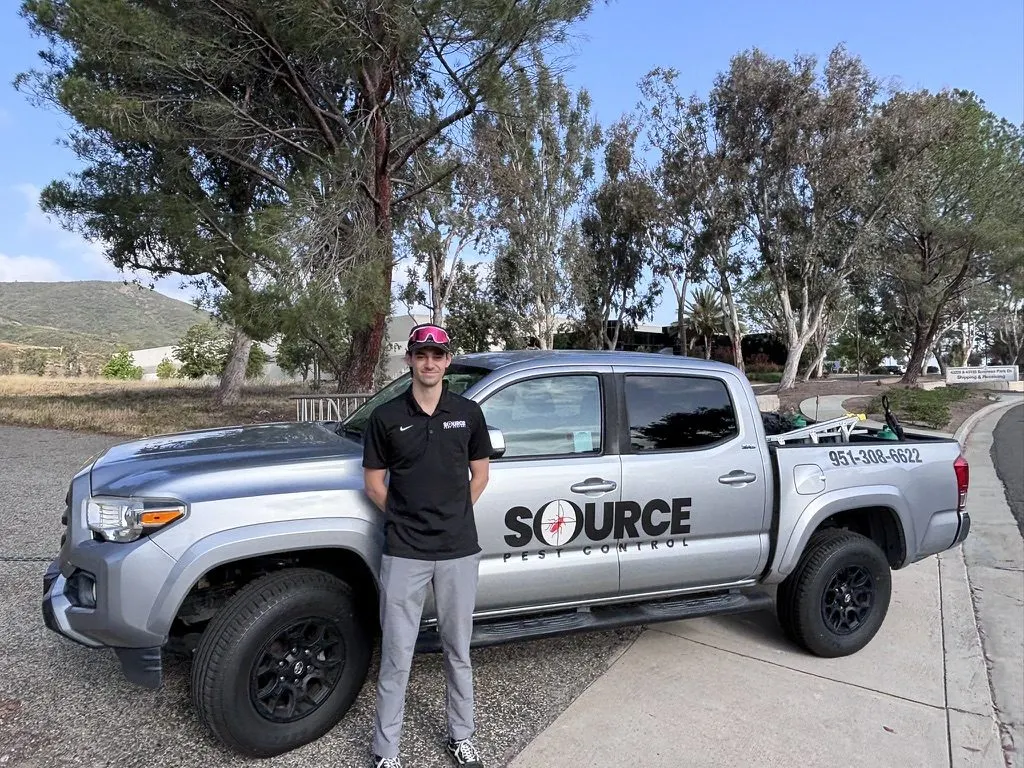
We treat bed bugs two ways, with heat and with traditional treatment, in all 20 cities we serve across Riverside and San Diego counties. The bed bug inspection comes first and it's free, and so is the estimate that follows it. Call (951) 535-4220, tell Jenni what you've found and which rooms it's in, and we'll take it from there.
What's included
A free bed bug inspection first
The inspection comes before anything else, and it's free. The technician checks the mattress seams and tufts, the box spring, the joints of the bed frame and headboard, the nightstand, the baseboards near the bed, and the upholstered furniture in any room where people sleep or nap. He's looking for live bugs, eggs, shed skins and the dark droppings UC IPM describes along the seams. Ask him to show you what he found and where.
Heat treatment
Heat is one of the two kinds of treatment we offer, and it's one of the methods UC IPM describes for this pest. It suits bed bugs because they hide in seams, cracks and furniture joints that are hard to reach any other way. The technician explains how heat would be used in your home, what preparation it needs and whether it fits your situation, and you decide with that in front of you.
Traditional treatment
Traditional bed bug treatment puts labeled products on the hiding spots the inspection found, such as the joints of the bed frame, the baseboards and the cracks near the bed. Each product goes down by its label, and the label sets how long a treated surface stays off limits. Before anything is applied, the technician tells you what to do and how long the kids and the dog need to stay out of the treated rooms.
Follow-up and what to watch for
UC IPM says managing bed bugs takes follow-up monitoring and advises inspecting after treatment to be sure the bugs are gone, so ask the technician what to look for before he leaves. In the weeks after treatment, watch the mattress seams for new droppings or skins and tell us about any new bites. UC IPM describes mattress encasements as effective in laboratory research, and an encasement traps anything left inside and makes the next check easier.
Your part at home
Bedding, clothes and soft toys from the affected room go in a home dryer on its hottest setting for at least 10 to 15 minutes, which UC IPM says delivers the heat that kills bed bugs, and they stay bagged until the treatment is done. Vacuum the seams, the frame and the carpet edge, and empty the vacuum outside. Skip over-the-counter foggers, which UC IPM says aren't effective against bed bugs and could be harmful to your health.
How it works
Tell us what you've found
Phone (951) 535-4220, or use the form, and let Jenni know what you're seeing: bites that appear overnight, specks on the mattress seam, a bug on the sheets, or a recent trip or secondhand purchase that makes you suspect bed bugs. Say which rooms are involved and how long it's been going on. If you find a bug, seal it in a zip-top bag so it can be identified.
Free inspection
The technician goes through the bedrooms and any other room where people sleep, checking the mattress, box spring, frame, headboard, nightstands, baseboards and upholstered furniture for the signs UC IPM describes. He confirms whether it's bed bugs, works out which rooms are affected, and shows you what he found. There's no charge for this step, whatever it turns up.
Heat or traditional, and a free estimate
Based on the inspection, the technician recommends heat treatment or traditional treatment and explains why that fits your home. The estimate for the work is free. Ask him what to wash and bag, what to move away from the walls and what to leave in place, and ask any other question you have at this point, because the preparation decides how well the treatment reaches.
Treatment day
The technician treats the rooms the inspection mapped, using the method you agreed on. Before he starts, he tells you what to do and how long the children and pets stay away from the treated rooms, because the product label sets that time. If heat is the method, ask at the estimate what needs to come out of the room first.
Follow-up and watching
Ask the technician what to watch for, and keep an eye on the mattress seams, the bed frame and the sheets over the following weeks. UC IPM advises checking for bed bugs daily after a professional treatment, so new activity after a treatment is a reason to call us, and we'd rather hear about it early. Tell us what you've seen and when, so the technician knows where to look.
More about bed bug treatment
Bed bugs don't wander in from the yard the way ants and earwigs do. UC IPM's Pest Note on bed bugs describes them as hitchhikers. They ride home in a suitcase after a hotel stay, in a used couch or mattress picked up on a weekend, in a backpack after a sleepover, or in a moving box. Once inside, they settle close to wherever people sleep. UC IPM lists the seams and tufts of the mattress, the box spring, the joints of the bed frame and headboard, the gap behind the baseboard and the folds of an upholstered chair as the usual hiding spots, and in a heavier infestation they spread out to picture frames, upholstered furniture and other cracks across the room. The signs to look for are the ones UC IPM lists: itchy welts that appear overnight, small blood smears on the sheets, dark spots of dried droppings along the mattress seam, the pale shed skins the bugs leave behind as they grow, and the bugs themselves, which are flat, oval, wingless and reddish brown. Bites on their own don't settle the question, because UC IPM notes that people react differently and some never react at all. Finding the bugs, their droppings or their skins is what confirms it, and that's what our free bed bug inspection is for.
We offer two kinds of bed bug treatment, heat and traditional. Heat is one of the methods UC IPM describes for bed bugs, and it suits the way they live, tucked into seams, joints and cracks. Traditional treatment means labeled products applied to the hiding spots the inspection found. The technician picks the approach after seeing your home, the rooms involved and how far the bugs have spread, so ask him which he recommends for your situation and why. Ask what you need to do before he arrives as well, because preparation matters more with bed bugs than with almost any other pest. A bagged pile of laundry and a cleared closet change what the treatment can reach. UC IPM says managing bed bugs takes follow-up monitoring, and it advises inspecting after treatment to be sure the bugs are gone, so ask what to watch for in the weeks afterwards. There's no bed bug price on this page because every home is different, and you'll have the free estimate in hand before any work starts. Each of our technicians holds a California licence and follows the label on every product he applies.
A bed bug problem looks much the same whether it's an apartment in San Marcos, a home in Temecula that hosts out-of-town guests, or a family in Menifee that brought home a secondhand bed frame, and we treat all of them from our office at 29990 Technology Dr Ste 13 in Murrieta. Our 13-person team works in 20 cities on both sides of the Riverside and San Diego county line. Jared Brown has 27 years in the pest control trade and has done every job in it, and on a bed bug visit the technician explains what he found, what he's going to do and what you need to do, in plain words, because you'll carry part of the work yourself through preparation and watching afterwards. Jenni answers the phone Monday to Saturday 8am to 6pm, and same-day service is available when the schedule allows. Fast response is the thing customers say made them pick us, and with bed bugs every night you wait is another night of bites.
What do people ask about bed bug treatment?
How do I know if I have bed bugs?
Look at the mattress seams and the bed frame first, because the bites alone won't tell you. UC IPM lists the signs as live bugs, which are flat, oval, wingless and reddish brown, eggs, egg cases and shed skins in the seams and joints, dark spots of dried droppings, and small blood smears on the sheets. Reactions to bites differ from person to person. Our free bed bug inspection settles the question either way.
Do you do heat treatment for bed bugs?
Yes. We offer both heat treatment and traditional treatment for bed bugs, and the technician recommends one of them after the free inspection, based on the rooms involved and how far the bugs have spread. Heat is one of the methods UC IPM describes for bed bugs. Ask the technician what preparation heat needs in your home and why he's recommending it over the alternative.
How much does bed bug treatment cost?
You'll get a free estimate after the free inspection, because the price depends on how many rooms are affected, how far the bugs have spread and whether heat or traditional treatment fits, so there's no single number on this page. Use Get a Free Quote or phone (951) 535-4220, tell Jenni what you've found, and ask for the findings and the estimate before any work starts.
Do I need to throw away my mattress?
Not as a first step. A new mattress can pick up bed bugs again if the frame and the room aren't treated, so we'd look at the room first. UC IPM describes mattress encasements as effective in laboratory research, and an encased mattress traps anything left inside. If you do throw something out, UC IPM advises taking it straight to the dump or marking it clearly as infested so nobody else carries it home. Ask the technician whether yours is worth keeping.
What about my kids and pets during bed bug treatment?
Mention children and pets to Jenni at booking, then ask the technician how long they should stay out of the treated rooms, because he tells every customer what to do and the product label sets that time. When families ask us about the products, we tell them the ones we use are labeled for use in hospitals and daycares. Each product is applied by a licensed technician, following its label.
Can I get rid of bed bugs myself?
The washing, drying, vacuuming and bagging you do at home help, and UC IPM says a home dryer on its hottest setting for at least 10 to 15 minutes kills bed bugs in bedding and clothes. What home treatment struggles with is the bugs and eggs in the frame joints, the box spring and the cracks behind the baseboard, and UC IPM says over-the-counter foggers aren't effective against bed bugs. That's the gap we fill, and the inspection that comes first is free.
Do you treat bed bugs in North San Diego County as well?
Yes. We treat bed bugs in every one of the 20 cities we serve, with Carlsbad, Oceanside, Vista, San Marcos, Escondido and Fallbrook on the San Diego County side, and Corona, Riverside, Hemet, Lake Elsinore, Menifee, Murrieta and Temecula on the Riverside side. The inspection and the estimate are free wherever you are in that area. Phone (951) 535-4220, give Jenni your city and say what you've found.
Seeing pests? Tell us what and where.
4.9 1,111 Google reviews- Monday to Saturday 8am to 6pm
- 20 cities served from Murrieta
- Free inspections and estimates
- Plans starting at $45 a month
Get a Free Quote
Request received.
We will call you shortly to confirm. Need us sooner? Call (951) 535-4220.
That did not send.
Something went wrong on our side. Please call so we do not miss you.
Call (951) 535-4220Rather talk now? (951) 535-4220